
The financial landscape is often defined by milestones, but few events capture the imagination of investors and the public quite like an Initial Public Offering (IPO). An IPO marks the transition of a company from private ownership to the public stage, allowing everyday investors to own a piece of a growing enterprise. However, beyond the headlines and the opening bell ceremonies, IPOs are complex financial instruments that wield significant influence over market dynamics, investor sentiment, and economic growth.
This article explores the mechanics of IPOs, their broader impact on the stock market, and the critical factors that determine their success or failure.
What is an IPO?
An Initial Public Offering is the process by which a private corporation can propagate new shares to the public for the first time. This allows the company to raise capital from public investors. The transition from a private to a public company can be a challenging time for private investors to fully realize gains from their investment as it typically includes share premiums for current private investors.
The process involves several key players:
- The Issuing Company: The private entity seeking to go public.
- Underwriters: Investment banks (like Goldman Sachs or Morgan Stanley) that manage the IPO, set the initial price, and buy the shares from the company to sell them to the public.
- Regulatory Bodies: In the U.S., the Securities and Exchange Commission (SEC) oversees the process to ensure transparency and compliance.
The Motivation Behind Going Public
Companies do not decide to “go public” overnight. It is a strategic move often driven by several core objectives:
- Capital Infusion: The most common reason is to raise large sums of money. This capital can be used to fund research and development, expand into new markets, pay off debt, or acquire other companies.
- Liquidity for Founders and Early Investors: Private equity and venture capital firms, as well as founders, often have their wealth tied up in the company. An IPO provides an “exit” strategy, allowing them to sell their shares on the open market.
- Increased Visibility and Prestige: Being listed on a major exchange like the NYSE or NASDAQ provides a “stamp of approval.” This increased transparency can help a company secure better terms from lenders and attract top-tier talent.
- Currency for Acquisitions: Publicly traded stock can be used as a form of currency to acquire other businesses, rather than using cash.
The Impact on Market Liquidity and Volume
IPOs are vital for the health of the broader stock market. When a high-profile company goes public, it often leads to an influx of liquidity.
New shares create new opportunities for trading, increasing the overall volume of the exchange. For instance, a massive IPO in the tech sector can draw in billions of dollars in “sideline cash”—money that investors were holding in reserve waiting for a growth opportunity. This surge in activity doesn’t just affect the new stock; it often increases the trading velocity of peer companies within the same industry as investors rebalance their portfolios.
IPOs as Economic Barometers
The frequency and success of IPOs are often seen as a “thermometer” for the overall economy.
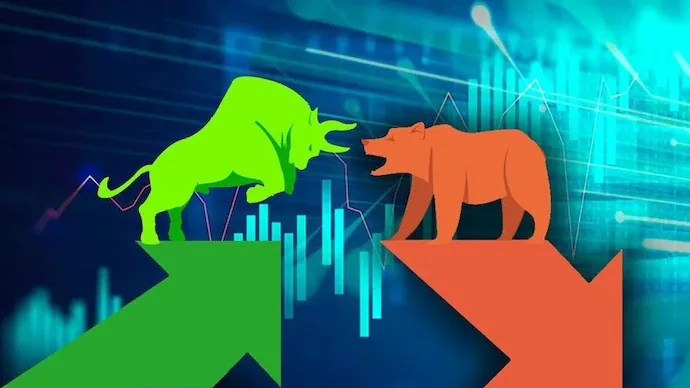
- Bull Markets: When the economy is strong and investor confidence is high, the “IPO window” is wide open. Companies rush to market to take advantage of high valuations.
- Bear Markets: In times of high inflation, rising interest rates, or geopolitical instability, the IPO window often slams shut. Investors become risk-averse, and companies postpone their debuts to avoid “underpricing” or a failed launch.
Therefore, a busy IPO calendar is generally a sign of a robust, optimistic market environment.
The Phenomenon of Underpricing and the “Pop”
One of the most discussed aspects of IPOs is the “first-day pop.” This occurs when the stock price climbs significantly above the initial offering price within the first few hours of trading.
While a 20% or 30% jump seems like a success, it technically suggests underpricing. If the company and its underwriters set the price too low, the company “leaves money on the table” that could have been used for corporate growth. However, underwriters often aim for a modest pop to ensure the offering is fully subscribed and to create positive momentum for the brand.
Risks to the Market: The “Hype Train” and Volatility
While IPOs bring excitement, they also introduce specific risks to the market:
1. Overvaluation
During market bubbles (such as the Dot-com era of the late 90s), companies with no profits and shaky business models frequently went public at astronomical valuations. When these valuations eventually clash with reality, the resulting crash can pull down the entire sector.
2. Market Distraction
A massive IPO can sometimes “suck the air out of the room.” Large institutional investors may sell off positions in established, stable companies to raise the cash needed to participate in a high-growth IPO, leading to temporary downward pressure on the broader market.
3. Post-IPO Volatility
Initial public offerings are notoriously volatile in their first year. Once the “lock-up period” (usually 90 to 180 days) expires, early investors and employees are allowed to sell their shares. This often leads to a massive increase in supply, which can cause the stock price to plummet.
Influence on Sector Trends
IPOs have the power to validate entire industries. When a pioneer in a niche field—such as electric vehicles, synthetic biology, or fintech—successfully goes public, it provides a “valuation roadmap” for its private competitors.
A successful debut can lead to a “copycat effect,” where venture capitalists pour more money into similar private startups, and other companies in that sector accelerate their own plans to go public. This creates a cycle of innovation and investment that can transform the economic landscape of a specific industry.
Conclusion: A Balancing Act for Investors
For the individual investor, IPOs represent a double-edged sword. On one hand, they offer the chance to get in “on the ground floor” of the next world-changing corporation. On the other hand, the lack of historical public data and the high levels of hype make them speculative by nature.
Ultimately, IPOs are the lifeblood of the capital markets. They facilitate the flow of capital from those who have it to those who can use it to innovate and grow. By understanding the mechanics of these offerings and their ripple effects on market liquidity and sentiment, investors can better navigate the volatility and identify the true gems amidst the noise.
Summary Table: IPO Pros vs. Cons for the Market
| Aspect | Positive Impact | Potential Negative Impact |
| Liquidity | Increases total market volume and cash flow. | Can drain liquidity from other sectors temporarily. |
| Sentiment | Boosts investor confidence in growth. | Failed IPOs can trigger market-wide pessimism. |
| Innovation | Funds R&D and sector expansion. | May encourage “growth at all costs” mentalities. |
| Valuation | Provides benchmarks for private companies. | Can lead to speculative bubbles and overpricing. |