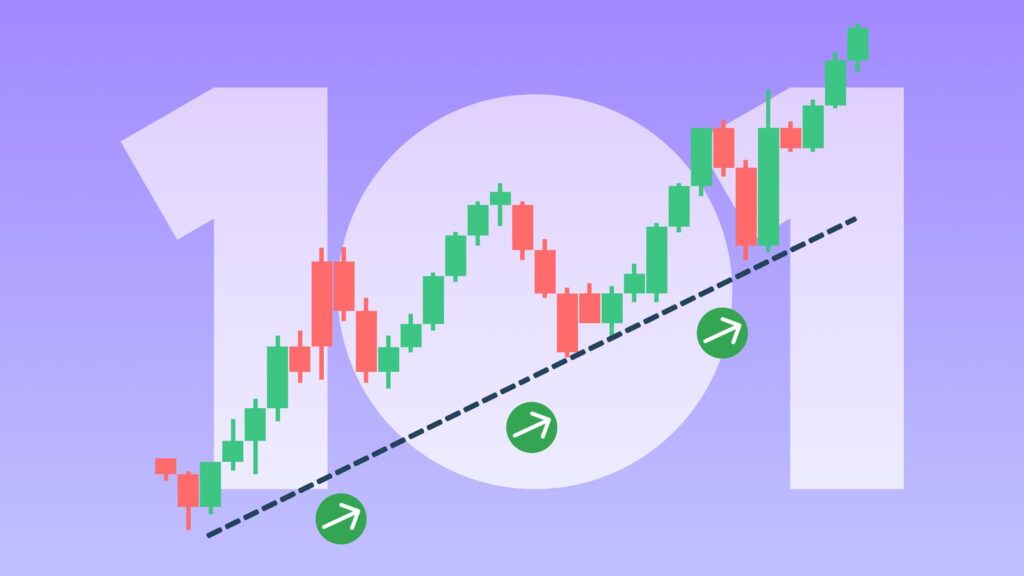

The stock market is often portrayed as a fast track to wealth, a glamorous arena where savvy traders turn modest savings into fortunes. While the potential for long-term growth is undeniable, the reality is that the market is a psychological battlefield. For many retail investors, the biggest threat to their portfolio isn’t a market crash or a corporate scandal—it’s their own decision-making process.
Understanding common investment blunders is the first step toward building a resilient strategy. By identifying these pitfalls, you can shift from a reactive mindset to a proactive, disciplined approach.
1. Emotional Decision Making (Fear and Greed)
Perhaps the most significant hurdle for any investor is the human psyche. We are biologically wired for “fight or flight,” a trait that served our ancestors well but wreaks havoc on a brokerage account.
- Panic Selling: When the market dips, fear takes over. Investors often sell at the bottom to “protect” what’s left, effectively locking in losses and missing the subsequent recovery.
- FOMO (Fear Of Missing Out): Conversely, when a specific sector or meme stock skyrockets, greed kicks in. Investors rush in at the peak, driven by the fear of being left behind, only to be caught in the inevitable correction.
The Fix: Develop a written investment policy statement. Having a set of rules to follow during market volatility helps remove emotion from the equation.
2. Lack of Diversification
The old adage “don’t put all your eggs in one basket” remains the golden rule of risk management. Many beginners fall in love with a single company or industry—often tech or green energy—and over-allocate their capital there.
While high concentration can lead to massive gains if you’re right, it exposes you to unsystematic risk. If that specific company faces a lawsuit or that industry faces new regulations, your entire net worth could plummet.
Pro Tip: A well-diversified portfolio includes a mix of large-cap, mid-cap, and international stocks, alongside other asset classes like bonds or real estate investment trusts (REITs).
3. “Anchoring” to the Purchase Price
Investors often become obsessed with the price they originally paid for a stock. This is known as anchoring bias.
If you bought a stock at $100 and it drops to $60, you might refuse to sell until it “gets back to even.” However, the market doesn’t care what you paid. If the company’s fundamentals have permanently deteriorated, holding on to “break even” is simply a waste of capital that could be better deployed elsewhere.
4. Ignoring Costs and Taxes
It’s not about how much you make; it’s about how much you keep. Many investors ignore the “silent killers” of wealth:
- Frequent Trading: Every trade incurs costs. Even in a “zero-commission” world, the bid-ask spread and potential slippage add up.
- Capital Gains Taxes: Selling stocks held for less than a year usually triggers higher short-term capital gains taxes. Constant churning of a portfolio can significantly reduce your compound interest over decades.
5. Trying to Time the Market
Many investors believe they can predict when the market will hit its peak or bottom. In reality, even professional fund managers struggle to do this consistently.
The danger of timing the market is missing the best days. Historically, a significant portion of market gains occurs in just a handful of trading days each year. If you are sitting on the sidelines trying to “wait for the dip,” you risk missing the recovery entirely.
6. Following the “Hot Tip”
Whether it’s a recommendation from a neighbor, a viral post on social media, or a “breaking” segment on financial news, following blind tips is a recipe for disaster. By the time a “hot” stock reaches the general public, the “smart money” has often already moved in, and the price likely reflects the good news.
Investing requires due diligence. You should understand a company’s business model, its competitive advantage (moat), and its debt levels before committing a single dollar.
7. Overlooking the Long-Term Horizon
Stock investing is a marathon, not a sprint. However, in the age of smartphone apps and 24/7 news cycles, it’s easy to get distracted by short-term “noise.”
Quarterly earnings misses or temporary macro-economic headwinds often cause short-term price fluctuations that are irrelevant to a ten-year thesis. Investors who check their portfolios daily are more likely to make impulsive, unnecessary changes than those who check quarterly.
8. Misunderstanding Risk Tolerance
There is a big difference between thinking you can handle a 20% drop and actually seeing your life savings evaporate by that amount. Many investors overestimate their risk tolerance during bull markets, only to realize they are far too aggressive when the bear market arrives.
Before investing, ask yourself: If my portfolio dropped by 30% tomorrow, would I be able to sleep, or would I be forced to sell to pay my bills?
9. Failing to Rebalance
Over time, successful investments will grow to represent a larger percentage of your portfolio than originally intended. If you started with 50% stocks and 50% bonds, a great year in the market might leave you with 70% stocks.
While it feels counterintuitive to sell your “winners,” failing to rebalance means you are inadvertently taking on more risk than your original plan allowed. Periodic rebalancing forces you to buy low and sell high.
10. Focusing on Price Instead of Value
A common mistake among new investors is thinking a $5 stock is “cheap” and a $500 stock is “expensive.” The nominal price of a share is irrelevant without context.
A $500 share in a highly profitable company with massive growth potential might be a bargain, while a $5 “penny stock” in a failing company could be vastly overpriced. Investors should look at valuation metrics such as:
- P/E Ratio (Price-to-Earnings)
- P/S Ratio (Price-to-Sales)
- Free Cash Flow
Conclusion: The Path to Success
Investing in the stock market is one of the most effective ways to build generational wealth, but it requires discipline, patience, and a willingness to admit when you are wrong.
The most successful investors aren’t necessarily the ones with the highest IQs or the fastest computers; they are the ones who can control their emotions and stick to a logical, long-term plan. By avoiding these ten common mistakes, you place yourself ahead of the majority of market participants and move one step closer to financial independence.
Summary Table: Key Mistakes and Solutions
| Mistake | Solution |
|---|---|
| Panic Selling | Stick to a long-term Investment Policy Statement. |
| Over-concentration | Diversify across sectors and asset classes. |
| Market Timing | Practice Dollar Cost Averaging (DCA). |
| Ignoring Taxes | Use tax-advantaged accounts (like IRAs or 401ks). |
| Chasing Hype | Conduct thorough independent research. |
Exportar para as Planilhas
Disclaimer: This article is for informational purposes only and does not constitute financial advice. Always consult with a qualified financial advisor before making investment decisions.