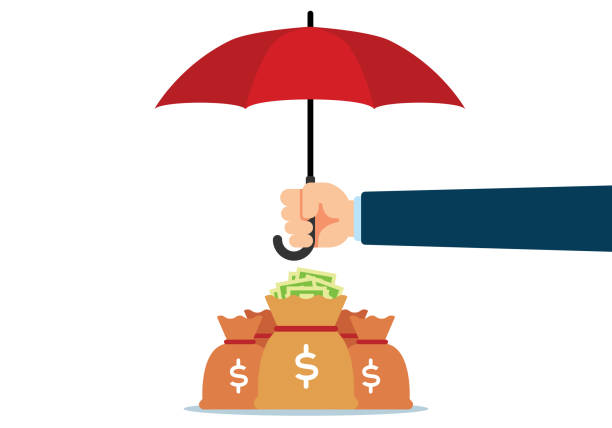
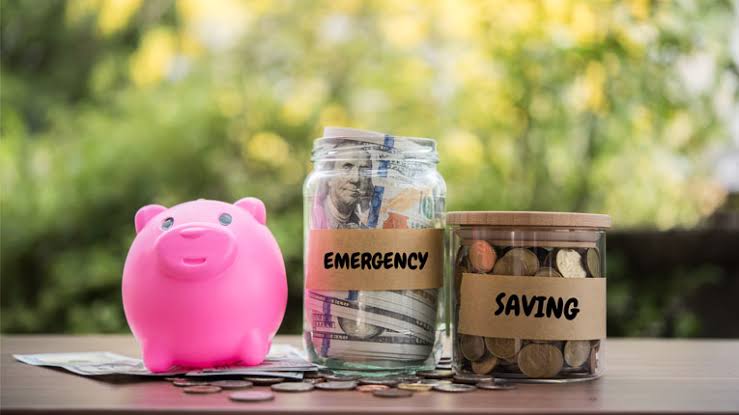
Life has a way of throwing unexpected curveballs. Whether it is a sudden medical emergency, a major home repair, a vehicle breakdown, or a period of unemployment, a financial crisis can catch anyone off guard. When these moments strike, an emergency fund serves as your financial life jacket.
However, once the storm passes, you are often left looking at a depleted bank account and a sense of financial vulnerability. Finding yourself back at square one is incredibly stressful, but it is important to remember that your emergency fund did exactly what it was designed to do: it protected you.
Rebuilding that safety net is the critical next step toward restoring your peace of mind. Here is a step-by-step, actionable framework to help you replenish your emergency fund efficiently and sustainably.
1. Acknowledge the Win and Reset Your Mindset
Before diving into numbers, take a moment to change your perspective on the situation. Many people feel a sense of guilt or failure when they look at a drained savings account. Shift that narrative. You did not lose money; you successfully avoided high-interest debt or worse financial consequences because you were prepared.
Once you accept that the fund served its purpose, you can approach the rebuilding phase with clarity rather than anxiety. Financial recovery is not a sprint—it is a deliberate, structured process.
2. Conduct a Post-Crisis Financial Audit
You cannot map out a route to your destination without knowing your exact starting point. Once the immediate crisis has settled, sit down and review the damage.
- Assess Remaining Balances: Exactly how much is left in your savings account?
- Identify Secondary Damage: Did you have to put a portion of the crisis expenses on a credit card? Did you fall behind on any utility bills?
- Calculate Your New Baseline: If your income or fixed expenses changed as a result of the crisis (e.g., lower income after a job transition), your target emergency fund amount might need an adjustment.
Traditionally, financial experts recommend saving three to six months’ worth of living expenses. If the recent crisis taught you that your expenses are higher than you realized, or if your income is volatile, aim for the higher end of that spectrum.
3. Pause Non-Essential Goals Temporarily
When your primary financial shield is gone, your top priority must be restoring it. This means you may need to hit the pause button on other, non-urgent financial goals.
Consider temporarily redirecting funds that usually go toward:
- Extra principal payments on low-interest debt (like a mortgage).
- Investing goals above your employer’s retirement match.
- Vacation or luxury purchase savings buckets.
Important Note: If you have high-interest debt (like credit cards accruing 20%+ interest), balance is key. Allocate a portion of your extra cash to build a small, starter emergency fund (typically $1,000 to $2,000) to avoid going deeper into debt if another minor emergency occurs, then aggressively tackle the high-interest debt before fully funding the rest of your safety net.
4. Reverse-Engineer Your Savings Goal
Vague goals yield vague results. Instead of saying, “I want to rebuild my savings,” give yourself a concrete target and a realistic timeline.
If you need to save $6,000 to feel secure again, break that down into micro-goals:
- Per Year: $6,000
- Per Month: $500
- Per Week: ~$115
Breaking a massive number down into weekly or monthly milestones makes the objective feel entirely achievable. If $500 a month feels too aggressive for your current budget, extend the timeline. Consistency matters far more than the absolute dollar amount.
5. Optimize Your Budget for the Recovery Phase
To find the money to fund your new weekly or monthly milestones, you will need to optimize your cash flow. Look at your budget through a temporary “recovery lens.” You do not have to live in strict austerity forever, but making intentional sacrifices right now will accelerate your safety net’s return.
The “Trim and Substitute” Method
- Audit Subscriptions: Cancel streaming services, gym memberships, or software apps you haven’t used in the last 30 days.
- Dine In: Food is typically the most flexible variable expense. Cooking at home and meal prepping can instantly free up hundreds of dollars a month.
- Negotiate Fixed Bills: Call your internet, insurance, or mobile phone providers to see if you qualify for promotional rates or if you can drop unnecessary plan features.
6. Automate Your Way to Success
The easiest way to save money is to remove human error and willpower from the equation entirely. If you have to manually transfer money to your savings account every month, you are giving yourself an opportunity to spend it instead.
Set up an automatic transfer through your bank. Schedule it to happen the exact same day your paycheck hits your account. By adopting a “pay yourself first” mentality, the money moves to your emergency fund before you even have a chance to miss it.
7. Utilize a High-Yield Savings Account (HYSA)
Where you store your emergency fund matters just as much as how much you put into it. Leaving your money in a traditional brick-and-mortar bank account means it is likely earning next to nothing in interest.
Move your rebuilding fund to a High-Yield Savings Account (HYSA). HYSAs offer significantly higher interest rates than standard accounts, allowing your money to grow passively via compound interest.
What to Look For in an HYSA:
- No Monthly Fees: Do not let fees eat into your hard-earned savings.
- No Minimum Balance Requirements: Perfect for when you are starting back from zero.
- Liquidity: Ensure you can access the money quickly via transfer or ATM if an actual emergency occurs.
- FDI/NCUA Insurance: Verify the institution is federally insured so your money is perfectly safe.
8. Inject Liquid Capital via Windfalls and Side Hustles
If relying strictly on your regular paycheck feels too slow, you can inject bursts of cash into your savings account using alternative sources:
- Financial Windfalls: Dedicate 100% of any unexpected cash—such as tax returns, work bonuses, cash gifts, or cash-back rewards—directly to your emergency fund.
- The De-Clutter Cash Inflow: Sell clothes, electronics, or furniture you no longer use on online marketplaces.
- Temporary Side Hustles: Consider taking on freelance work, consulting, or gig-economy tasks for a designated period, routing every single dollar earned straight into your HYSA.
The Road Ahead
Rebuilding a financial safety net after a crisis is undeniably challenging, but it is one of the most empowering steps you can take for your long-term financial health. By auditing your current situation, setting clear milestones, automating your savings, and utilizing the right financial tools, you will steadily replace worry with absolute financial security.
Remember to celebrate the small milestones along the way. Reaching 10%, 25%, or 50% of your goal is proof that your financial strategy is working. Stay patient, stay disciplined, and watch your safety net grow back stronger than before.