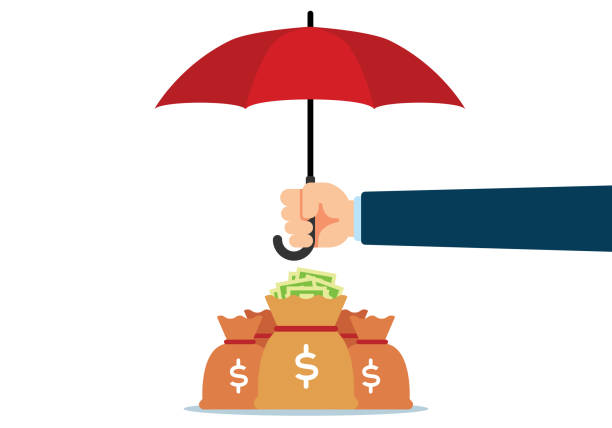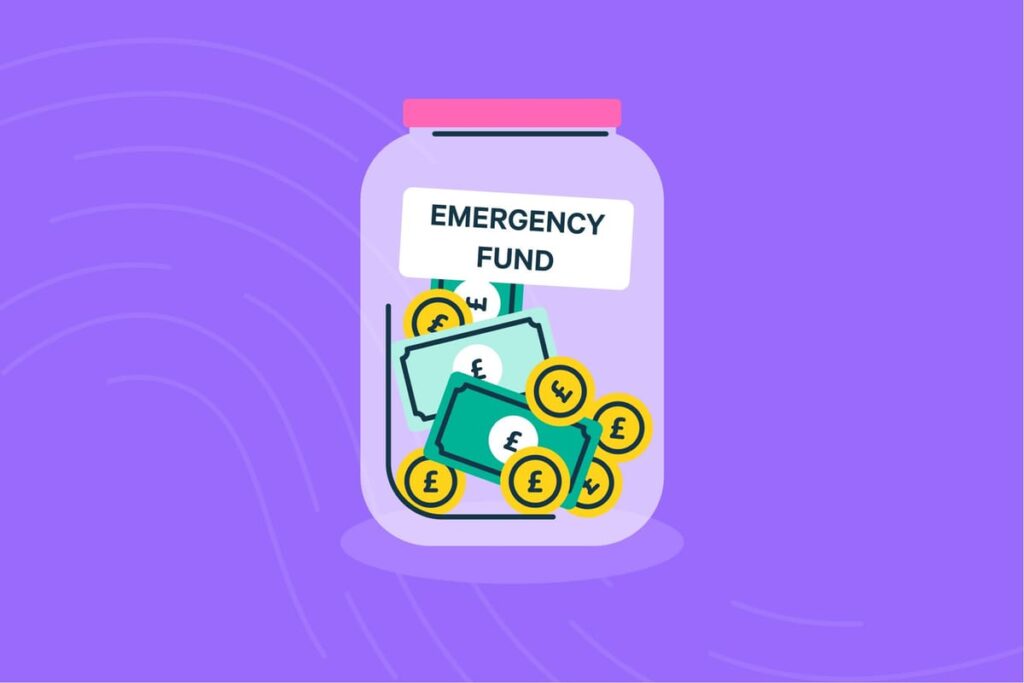
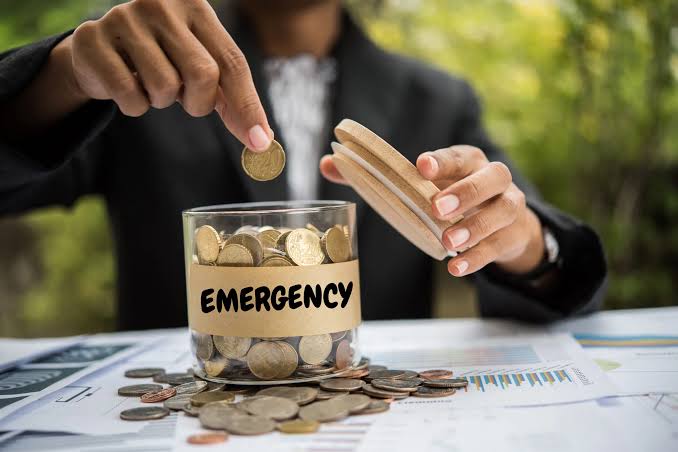
Financial stability rarely hinges on how much you earn; instead, it depends on how well you handle the unexpected. An emergency fund serves as the essential shock absorber of personal finance—a dedicated reserve meant to cover unexpected expenses like sudden medical bills, urgent home repairs, or temporary job loss without forcing you into high-interest debt.
Despite its importance, building and preserving an emergency fund remains one of the toughest financial milestones for households today. Rising living costs, stagnant wage growth, and compounding debts make setting money aside feel like a luxurious afterthought.
Understanding the specific obstacles that hinder saving—and applying structured, practical strategies to overcome them—can help you build a resilient safety net.
1. The Core Challenges of Building an Emergency Reserve
Before you can fix a stalled savings plan, you need to identify what is derailing your progress. The path to a secure emergency buffer is rarely blocked by a single issue; rather, it is choked by a combination of economic pressure, systemic habits, and psychological friction.
       [ High Cost of Living ] ───────┐
                                      │
       [ High-Interest Debt  ] ───────┼───►  Depleted Emergency Reserves
                                      │
       [ Behavioral Fatigue  ] ───────┘
The Squeeze of Living Costs and Inflation
When the cost of essentials—housing, food, energy, and healthcare—outpaces income growth, disposable margin shrinks. When everyday survival demands a larger share of your paycheck, allocating $100 or $200 a month toward a “just-in-case” fund can feel nearly impossible.
The Debt Friction Trap
A major hurdle in building emergency savings is deciding whether to pay off debt or save money. High-interest obligations, such as credit card balances, bleed money through monthly interest charges. Many people dump every extra dollar into paying off debt, leaving zero liquid reserves. When an unexpected expense pops up, they are forced to use credit cards again, creating a frustrating financial loop.
The “All-or-Nothing” Psychological Barrier
Many people believe an emergency fund is only useful if it equals three to six months of full living expenses right away. Facing a $15,000 target when you can only spare $25 a week leads to goal fatigue. When the target feels unreachable, it’s easy to give up entirely and save nothing.
Scope Creep: Misdefining “Emergency”
Without clear rules, emergency funds often get drained by non-urgent expenses—like annual car registration, holiday gifts, or impulse sales. Blurring the line between true emergencies and routine, predictable expenses leaves the fund continuously depleted.
2. Strategies to Overcome Emergency Savings Roadblocks
Overcoming these challenges doesn’t require a sudden windfall or extreme frugality. Instead, success comes from making small, consistent system tweaks that remove reliance on willpower alone.
| Challenge | Primary Root Cause | Practical Solution |
| No cash left at month-end | Relying on leftover income | Automate transfer on payday (Pay Yourself First) |
| High credit card balances | All funds directed to debt paydown | Build a small $1,000 buffer before aggressive debt payoff |
| Overwhelmed by total goal | “All-or-nothing” perfectionism | Break targets into micro-milestones ($100 / $500 / $1,000) |
| Draining funds for non-emergencies | Lack of financial boundaries | Establish strict criteria for withdrawals (The 3-Q Test) |
Implement the “Pay Yourself First” System
If you wait to save whatever is left at the end of the month, you will almost certainly find nothing left. The most effective workaround is automation.
Set up a recurring automatic transfer from your checking account to a separate high-yield savings account (HYSA) on the exact day you get paid. Treating your savings like a non-negotiable bill makes building your emergency fund automatic, removing the temptation to spend those dollars.
Key Rule: Even micro-contributions matter. Saving $10 a week consistently builds better financial habits than planning to save $500 “someday.”
Balance Debt Reduction with a Starter Buffer
Instead of choosing strictly between paying off debt and saving money, use a two-phase approach:
- Phase 1: Temporarily pause aggressive debt paydown to build a small, starter emergency fund of $1,000 to $1,500.
- Phase 2: Once that baseline buffer is secure, pivot back to aggressively paying off high-interest debt while maintaining minimum contributions to your savings.
This initial buffer protects you from relying on credit cards whenever minor unexpected costs pop up, breaking the debt cycle for good.
       [ Step 1: $1,000 Starter Buffer ]
                      │
                      ▼
       [ Step 2: Pay Off High-Interest Debt ]
                      │
                      ▼
       [ Step 3: Expand Fund to 3-6 Months ]
Shift to Milestone-Based Anchoring
Instead of fixating on a massive six-month target, break your savings goal down into manageable, progressive milestones:
- Milestone 1: $500 (Covers basic repairs or minor medical visits)
- Milestone 2: $1,500 (Covers typical insurance deductibles or job-search gaps)
- Milestone 3: One month of core expenses (Rent/mortgage, utilities, food)
- Milestone 4: Full 3-to-6-month safety net
Celebrating these intermediate wins builds momentum and combats savings burnout.
Separate Emergency Savings from Daily Cash
Out of sight, out of mind. Keeping your emergency money in your primary checking account makes it far too easy to spend accidentally. Move your fund to an entirely separate bank—preferably a High-Yield Savings Account (HYSA).
An HYSA keeps your cash liquid while earning a competitive interest rate. Plus, the slight 1-to-2-day transfer delay between separate institutions creates a helpful barrier against impulse spending.
3. Defining a True Financial Emergency
To keep your fund intact, you need clear criteria for when it’s okay to use it. Before making a withdrawal, run the expense through a quick Three-Question Test:
- Is it urgent? Can this expense be safely delayed until next month’s budget?
- Is it unexpected? Was this completely unpredicted, or is it a recurring item (like bi-annual insurance premiums) you forgot to plan for?
- Is it necessary? Is this required for health, safety, keeping your job, or protecting your shelter?
If the expense doesn’t answer “yes” to all three questions, it should be covered by your monthly budget or a specific sinking fund—not your emergency reserves.
Final Thoughts: Building Long-Term Resilience
Building an emergency fund is a marathon, not a sprint. Financial setbacks are a normal part of the process, and tapping into your fund for a real emergency isn’t a failure—it means the system worked as intended.
By automating your savings, setting realistic milestones, and maintaining clear boundaries, you can turn sudden financial shocks into minor inconveniences. The peace of mind that comes with a secure safety net far outweighs the effort it takes to build it.