
Life is full of predictable milestones—birthdays, graduations, retirement—but it is also punctuated by the entirely unpredictable. A sudden job layoff, a broken transmission on the morning commute, or a burst pipe that turns a basement into a swimming pool can disrupt even the most carefully planned routine.
When these moments arrive, the difference between a temporary stressful inconvenience and a full-blown financial crisis often comes down to a single asset: an emergency fund.
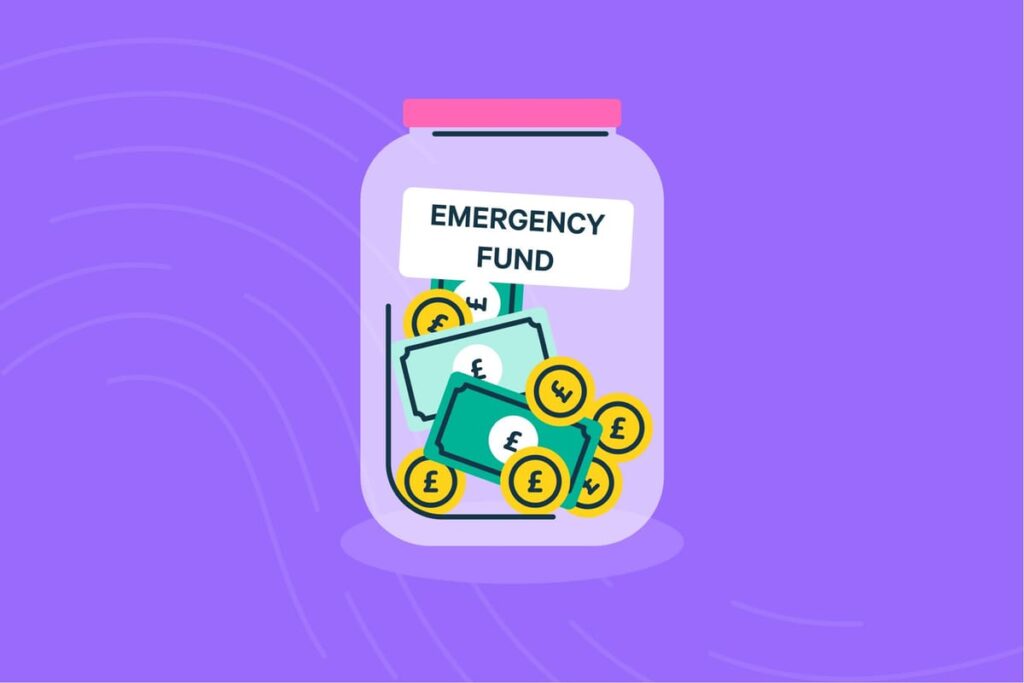
An emergency fund is a dedicated pool of cash set aside strictly for unplanned expenses or financial hardships. Despite its critical importance, millions of households operate without this safety net, leaving themselves vulnerable to debt cycles and chronic financial stress.
Here is a comprehensive look at why every family needs an emergency fund, how it protects your psychological well-being, and a step-by-step framework to build one that lasts.
1. The Core Purpose: Breaking the Cycle of Debt
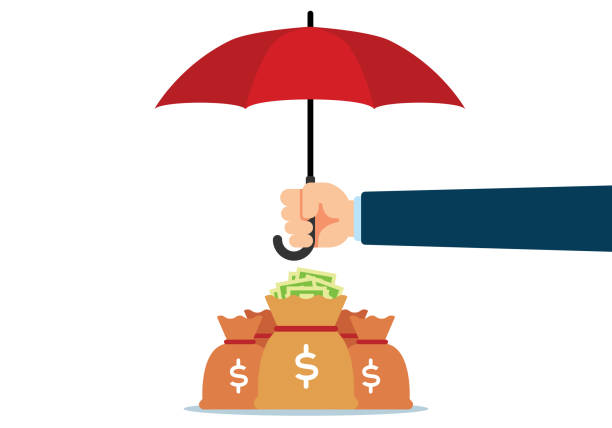
The primary function of an emergency fund is to act as a financial shock absorber. When an unexpected expense hits a household without liquid savings, the immediate reaction is often to rely on high-interest debt.
The Cost of Convenience
Swiping a credit card, taking out a personal loan, or relying on payday lenders might solve the immediate crisis, but it creates a secondary, longer-lasting problem:
- Interest Accumulation: Compounding interest turns a $500 car repair into a multi-month financial burden.
- Credit Score Damage: High credit utilization or missed payments can lower your credit score, making future borrowing more expensive.
- Reduced Cash Flow: Monthly minimum payments eat into your future income, leaving you with less money to save, which ensures you remain vulnerable to the next emergency.
An emergency fund breaks this cycle completely. When you pay for a crisis in cash, the financial impact begins and ends with the event itself. You eliminate interest fees and keep your future income entirely under your control.
2. Defining a True Emergency
One of the biggest hurdles in maintaining a successful safety net is defining what actually constitutes an emergency. It is easy to blur the lines between a financial crisis and a sudden desire for a luxury purchase.
A true emergency generally meets three criteria:
- Unexpected: It was not something you could have easily anticipated or planned for in your regular monthly budget.
- Necessary: It impacts your health, safety, housing, or ability to earn an income.
- Urgent: It requires immediate financial attention and cannot be delayed until the next pay cycle.
| What IS an Emergency | What IS NOT an Emergency |
| Sudden job loss or income reduction | Last-minute vacation deals or flight upgrades |
| Urgent medical treatments or prescriptions | Annual holiday shopping and gifts |
| Major car repairs needed for work commuting | Upgrading a perfectly functional smartphone |
| Critical home repairs (e.g., roof leak, broken HVAC) | Buying furniture or home decor on sale |
By establishing these boundaries early, families can protect their reserves from being depleted by non-essential spending.
3. The Psychological Value of Financial Peace of Mind
While the mathematical benefits of cash savings are clear, the psychological benefits are arguably even more profound. Financial anxiety is one of the leading causes of chronic stress in adults, often straining marriages, impacting parenting, and reducing workplace productivity.
Eliminating “Scarcity Brain”
When households live paycheck to paycheck, they operate under a constant state of low-level panic. Psychologists refer to this as a “scarcity mindset,” which impairs long-term decision-making because the brain is entirely focused on immediate survival.
Knowing that you have three to six months of living expenses sitting safely in a bank account fundamentally changes how you experience daily life:
- Better Career Decisions: You are less likely to tolerate a toxic work environment or accept a substandard job offer out of sheer desperation.
- Improved Family Dynamics: Financial arguments decrease significantly when unexpected expenses are met with a calm plan rather than panic and blame.
- Better Physical Health: Lower stress levels correlate directly with lower blood pressure, better sleep quality, and a stronger immune system.
An emergency fund does not just buy flexibility; it buys mental clarity and emotional stability for the entire household.
4. How Much Do You Actually Need?
The standard recommendation from financial experts is to save three to six months’ worth of essential living expenses. However, this number should be customized based on your family’s unique risk profile.
Essential vs. Discretionary Expenses
When calculating your target number, do not look at your current net take-home pay. Instead, look at what it costs to keep your household running at a bare-minimum baseline. This includes:
- Housing (mortgage or rent payments)
- Utilities (electricity, water, gas, internet)
- Food and basic groceries
- Insurance premiums (health, auto, home)
- Minimum debt obligations (car loans, student loans)
Customizing Your Target
You should aim for the higher end (6+ months) of the spectrum if:
- You are self-employed, a freelancer, or work in a highly volatile industry.
- Your household relies on a single income stream.
- A family member has a chronic medical condition that requires ongoing care.
Conversely, a dual-income household with stable corporate or government jobs might find that a three-month cushion is entirely sufficient.
5. Strategic Placement: Where to Keep Your Cash
Where you store your emergency fund is just as important as how much you save. The goal is to balance two competing priorities: accessibility and growth.
High-Yield Savings Accounts (HYSAs)
The ideal home for an emergency fund is a High-Yield Savings Account. Unlike standard checking accounts or traditional brick-and-mortar savings accounts that offer negligible interest, HYSAs provide a competitive yield that helps your money outpace inflation.
Key Factors to Consider:
- Liquidity: The funds must be easily accessible via electronic transfer or an ATM card within 24 to 48 hours.
- Separation: Keep this account at a completely different bank than your daily checking account. This “out of sight, out of mind” strategy prevents temptation.
- Safety: Ensure the institution is fully insured by federal protections (such as the FDIC in the United States) so your principal investment is completely risk-free.
Avoid putting your emergency fund into the stock market or long-term Certificates of Deposit (CDs). Volatile markets can drop precisely when you need to liquidate your assets, and CDs often carry heavy penalties for early withdrawal.
6. A Step-by-Step Guide to Building Your Fund
Starting from zero can feel overwhelming, but building a safety net is a marathon, not a sprint. Here is a practical framework to build momentum.
Step 1: Aim for a Starter Goal
Do not worry about saving six months of expenses right away. Focus entirely on hitting a milestone of $1,000. This baseline amount is enough to cover the vast majority of minor everyday emergencies, such as a dead car battery or a quick trip to urgent care.
Step 2: Automate Your Savings
The easiest way to save money is to remove human decision-making from the process. Set up an automatic transfer through your employer’s payroll system or your primary bank to move a set amount (even if it is just $25 or $50) into your emergency fund every single payday.
Step 3: Capitalize on Windfalls
Whenever you receive unexpected capital—such as tax refunds, workplace bonuses, cash gifts, or freelance side-income—allocate at least 50% of it directly toward your emergency fund to accelerate your progress.
Step 4: Review and Replenish
Life changes, and so do your expenses. Review your emergency fund target annually or after major life events like having a child, buying a home, or changing careers. If you ever have to draw from the fund, treat replenishing it as your top financial priority in the subsequent months.
Conclusion: The Ultimate Act of Family Protection
Building an emergency fund requires patience, discipline, and temporary sacrifices in lifestyle spending. However, the return on investment is unparalleled.
It transforms unpredictable crises into manageable inconveniences. It protects your family from predatory debt cycles, reduces household stress, and provides a foundation of security that allows you to pursue long-term wealth-building goals with confidence. Ultimately, an emergency fund is more than just cash in a bank account—it is an investment in your family’s peace of mind, stability, and future independence.