The financial world is often described through a lens of metaphors, but none are as iconic or foundational as the Bull and the Bear. Whether you are a seasoned day trader or someone just starting their journey with a retirement account, understanding these market cycles is crucial. These terms describe more than just the direction of stock prices; they represent the collective psychology, economic health, and future expectations of millions of investors worldwide.
What Defines a Bull and Bear Market?
At its simplest, the direction of the market is determined by the balance of supply and demand. However, the formal definitions used by economists and analysts are more specific.
The Bull Market: Charging Ahead
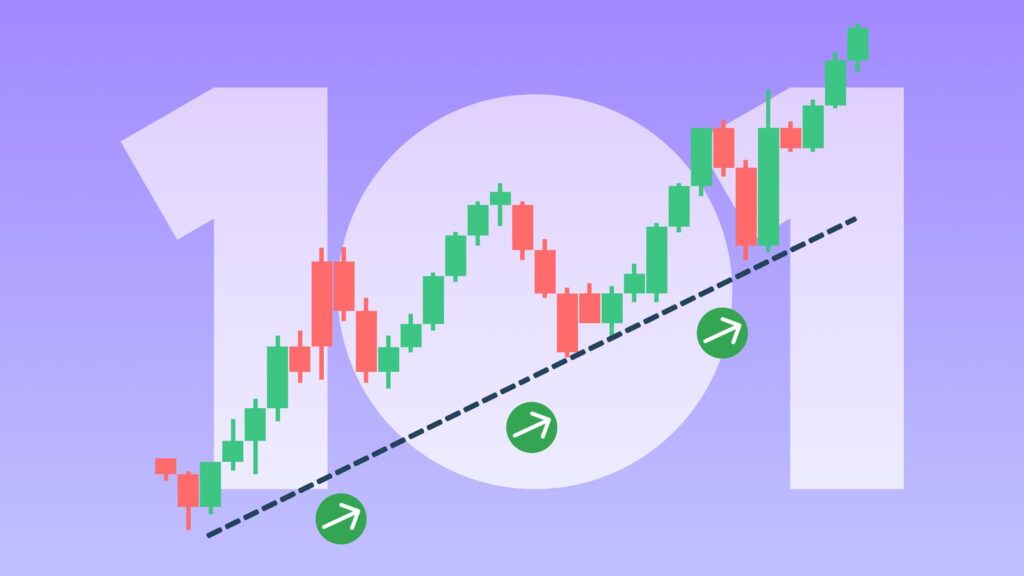
A Bull Market is characterized by rising prices and a general sense of optimism. In the stock market, a bull market is officially recognized when prices rise by 20% or more from a recent low.
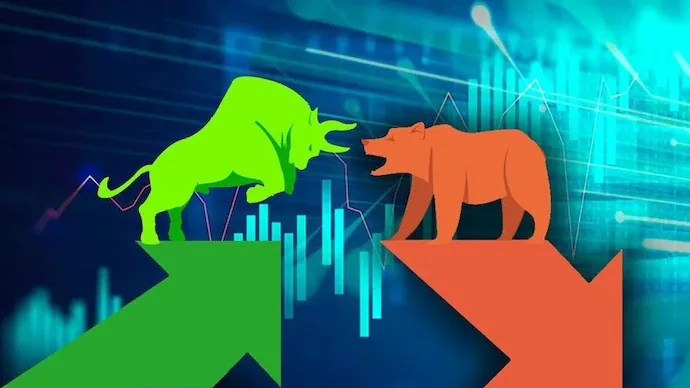
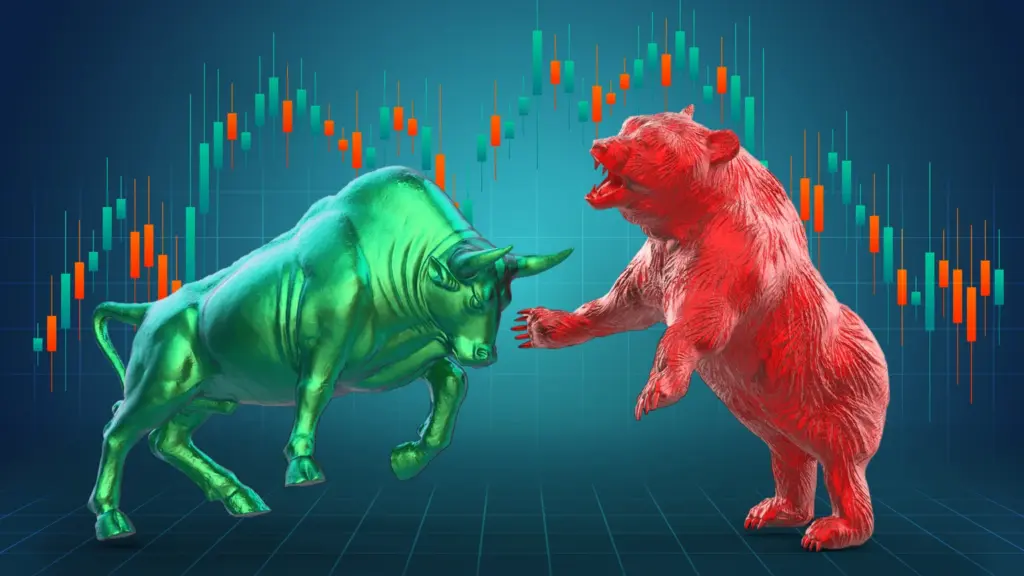
- Behavior: Much like a bull thrusts its horns upward into the air, a bull market drives prices higher.
- Sentiment: Investors feel confident, leading to a “buy-and-hold” mentality.
- Economic Indicators: Usually accompanied by strong GDP growth, low unemployment, and rising corporate profits.
The Bear Market: Hiberating and Defensive
Conversely, a Bear Market occurs when prices fall by 20% or more from recent highs for a sustained period.
- Behavior: A bear swipes its paws downward, symbolizing the decline in market value.
- Sentiment: Pessimism prevails. Fear often leads to a “sell-off” spiral as investors rush to protect their capital.
- Economic Indicators: Often acts as a precursor to—or a result of—an economic recession, high unemployment, or slowing consumer spending.
The Psychology of the Market
While numbers and data drive the charts, human emotion drives the numbers. The transition between these cycles is often a tug-of-war between two primary emotions: Greed and Fear.
1. The Cycle of Optimism (Bull)
In a bull market, positive news creates a feedback loop. When a company reports good earnings, the stock rises. Seeing this, other investors jump in, fearing they will miss out on gains (FOMO). This influx of capital pushes prices even higher, often beyond the actual intrinsic value of the companies.
2. The Cycle of Fear (Bear)
When the market peaks and starts to dip, the initial reaction is often denial. However, as the 20% threshold approaches, fear takes over. Investors begin to expect the worst, leading them to sell their assets. This increased supply of stocks with a decreased demand causes prices to crater.
Key Differences at a Glance
To better visualize how these phases differ, consider the following comparison:
What Causes These Shifts?
Market cycles don’t happen in a vacuum. They are influenced by a complex web of global events and domestic policies.
- Interest Rates: Central banks (like the Federal Reserve) play a massive role. Low interest rates make borrowing cheap, fueling business growth and a bull market. High interest rates, used to combat inflation, can cool the economy and trigger a bear market.
- Geopolitical Stability: Wars, trade disputes, or pandemics (like COVID-19) can cause sudden shocks that turn a bull market into a bear market overnight.
- Corporate Profits: At the end of the day, a stock is a piece of a business. If businesses are making less money, their value drops.
How to Navigate Each Market
Your strategy should shift depending on the “animal” you are dealing with.
Strategies for a Bull Market
- Ride the Trend: Many investors use a “buy and hold” strategy to maximize gains as the market climbs.
- Growth Stocks: Companies with high growth potential often outperform during these times.
- Watch for Bubbles: It’s easy to get overconfident. Periodically rebalancing your portfolio ensures you aren’t over-leveraged in one area.
Strategies for a Bear Market
- Defensive Investing: Move capital into “safe haven” assets like gold, government bonds, or “recession-proof” stocks (e.g., healthcare and utilities).
- Dollar-Cost Averaging (DCA): This involves investing a fixed amount of money at regular intervals. When prices are low, your money buys more shares, lowering your average cost over time.
- Short Selling: Experienced traders might bet against the market, though this is high-risk.
- Patience: Historically, every bear market has been followed by a bull market. For long-term investors, the best move is often simply to wait it out.
The Importance of Perspective
It is vital to remember that Bull Markets generally last much longer than Bear Markets. Historically, the average bull market lasts about 6.6 years, while the average bear market lasts about 1.3 years. While the downward “swipe” of the bear is painful and sharp, the upward “charge” of the bull is long and sustained. For those with a long-term horizon (10–30 years), bear markets are often viewed not as a disaster, but as a “sale” where stocks can be purchased at a discount.
Note: Past performance is never a guarantee of future results. Diversification remains the most effective tool for managing risk in any market condition.
Conclusion: Balancing the Horns and Paws
Understanding bull and bear markets isn’t about predicting exactly when the next shift will happen—even the experts rarely get that right. Instead, it’s about recognizing the signs, managing your emotional response, and having a plan in place for both scenarios.
By staying informed and maintaining a diversified portfolio, you can protect your wealth during the hibernation of the bear and grow it during the charge of the bull.