
Entering the professional world is an exciting milestone. As a steady paycheck begins to land in your account, it is natural to focus on immediate goals: upgrading your wardrobe, moving into a nicer apartment, or planning a much-needed vacation. However, early career success is built on more than just income—it relies on financial resilience.
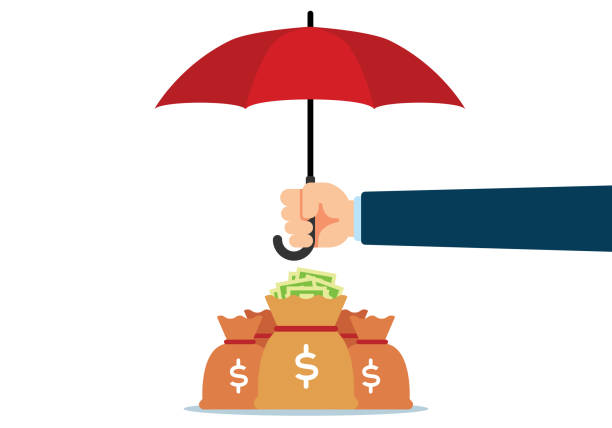
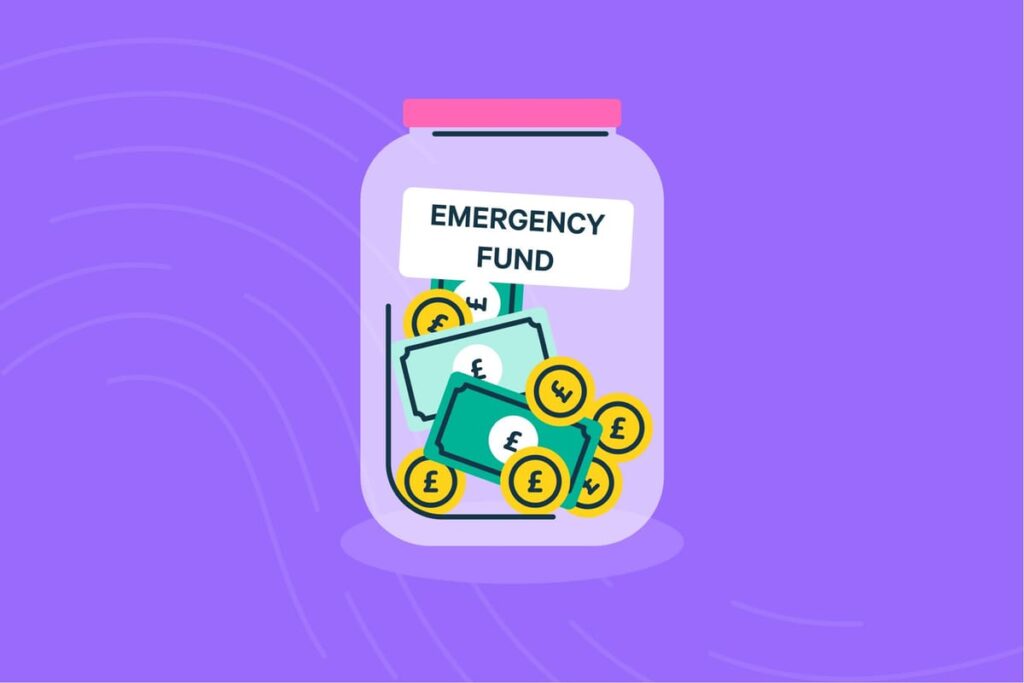
Unforeseen challenges, such as unexpected medical expenses, major car repairs, or sudden shifts in the job market, can disrupt your financial momentum. Building a robust emergency fund serves as your financial shock absorber. This detailed guide explores actionable, realistic strategies designed specifically for young professionals to build a reliable safety net without sacrificing their standard of living.
Defining the Baseline: How Much Do You Actually Need?
A common piece of financial advice is to save three to six months’ worth of living expenses. While this rule of thumb is an excellent baseline, your actual target should reflect your specific career and personal situation.
Fixed vs. Variable Costs
When calculating your emergency target, focus primarily on your fixed essential expenses rather than your total current spending. These include:
- Housing (rent, mortgage, property taxes)
- Utilities and core connectivity (electricity, water, internet)
- Minimum debt payments (student loans, car loans)
- Essential groceries and healthcare
Variable, non-essential costs—such as dining out, subscription streaming services, and recreational travel—can be temporarily paused during a financial crunch, meaning they do not need to be fully funded in your baseline safety net.
Assessing Your Risk Profile
Your professional dynamics should directly influence the size of your emergency fund.
| Professional Scenario | Recommended Fund Size | Core Reasoning |
| Salaried corporate role with stable demand | 3 Months of essentials | Low immediate risk of sudden income termination. |
| Freelancer, gig worker, or commission-based sales | 6+ Months of essentials | Higher income volatility and potential gaps between projects. |
| Single-income household or dual-income with dependents | 6 Months of essentials | Greater baseline responsibilities and fixed overhead costs. |
Choosing the Right Vehicle: Where to Store Your Safety Net
Where you choose to keep your emergency fund is just as critical as how much you save. The ideal financial vehicle balances two key priorities: liquidity (how quickly you can access the cash) and capital preservation (ensuring the money is safe from market volatility).
High-Yield Savings Accounts (HYSAs)
For most young professionals, a High-Yield Savings Account is the most effective tool. Traditional checking or savings accounts often offer negligible interest rates that fail to keep pace with inflation. In contrast, HYSAs provided by reputable online banks offer significantly higher yields while maintaining full FDIC or NCUA insurance protection up to standard limits. This ensures your money grows quietly in the background while remaining entirely risk-free.
The Power of Psychological Separation
To prevent the temptation of dipping into your emergency reserves for everyday purchases, it is highly recommended to open your emergency account at a completely separate financial institution from your daily checking account. Removing the balance from your primary banking app creates a healthy psychological barrier, ensuring the money remains strictly reserved for true emergencies.
4 Actionable Strategies to Accelerate Your Savings
Building a multi-thousand-dollar safety net can feel overwhelming when starting from zero. However, breaking the process down into structural adjustments makes the goal entirely achievable.
1. Harness the “Pay Yourself First” Principle
The most common budgeting mistake is saving whatever money happens to be left over at the end of the month. Often, nothing is left. Instead, flip the equation by treating your savings as your very first monthly bill.
Set up an automatic transfer through your employer’s payroll system or your primary bank to move a fixed percentage of your income (e.g., 10%) directly into your emergency fund the day your paycheck deposits. By automating this process, you eliminate decision fatigue and ensure your safety net grows consistently without manual effort.
2. Implement the Micro-Savings Approach
If a large monthly savings goal feels restrictive, focus on micro-contributions. Small, everyday adjustments can accumulate into substantial balances over a calendar year.
- Audit Subscriptions: Review your monthly digital statements. Canceling two underutilized streaming apps or software subscriptions can instantly free up $30 to $50 per month.
- The Round-Up Method: Many modern banking apps offer a feature that rounds up every debit card purchase to the nearest dollar, automatically transferring the difference to a designated savings account. While these spare-change transfers feel imperceptible day-to-day, they provide a steady, friction-free stream of capital to your fund.
3. Capitalize on Financial Windfalls
One of the fastest ways to supercharge an emergency fund is to allocate unexpected lumpsum injections of cash directly to your savings before you have a chance to spend them.
When you receive a tax refund, an annual performance bonus, a cash gift, or a freelance side-hustle payout, commit to a split strategy. For example, direct 70% of the windfall immediately into your emergency fund, and allocate the remaining 30% to personal enjoyment or lifestyle goals. This allows you to celebrate your financial wins while making massive strides toward your security.
4. Optimize the “Sinking Fund” Distinction
Many young professionals inadvertently deplete their emergency funds for predictable, recurring expenses. A true emergency is an event that is entirely unexpected and immediate—such as a sudden medical emergency or a job layoff.
Predictable, irregular expenses—such as annual car insurance premiums, holiday gifting, routine veterinary checkups, or dental cleanings—should be budgeted for separately using sinking funds. By setting aside small, dedicated pools of cash for these known future events, you ensure your primary emergency fund remains entirely untouched and preserved for genuine crises.
Maintaining Momentum and Avoiding Common Pitfalls
As your career progresses and your earnings grow, your emergency fund requires periodic maintenance to remain effective.
Managing Lifestyle Creep
As young professionals receive promotions and raises, their spending naturally tends to expand—a phenomenon known as lifestyle creep. A larger apartment, a newer vehicle, or premium grocery options inherently raise your baseline monthly fixed costs. Whenever your fixed expenses increase, remember to recalculate your baseline target and top off your emergency fund accordingly to maintain your three-to-six-month buffer.
Avoiding Overfunding
While underfunding leaves you vulnerable, overfunding carries an opportunity cost. Because emergency funds must be kept in highly liquid, low-risk accounts like HYSAs, their returns are naturally limited. Once you successfully reach your targeted emergency milestone (e.g., six months of living expenses), stop contributing to it. Redirect that monthly surplus toward long-term wealth-building vehicles, such as employer-sponsored retirement plans, diversified index funds, or paying down high-interest debt.
Conclusion
An emergency fund is far more than a simple line item in a financial ledger; it represents career flexibility, peace of mind, and personal autonomy. Having a secure financial cushion means you will never be forced to accept a toxic work environment, compromise your career values, or rely on high-interest credit card debt during a period of transition. By implementing automation, choosing high-yield storage options, and protecting your reserves from everyday spending, you build a rock-solid foundation for a lifetime of financial success.