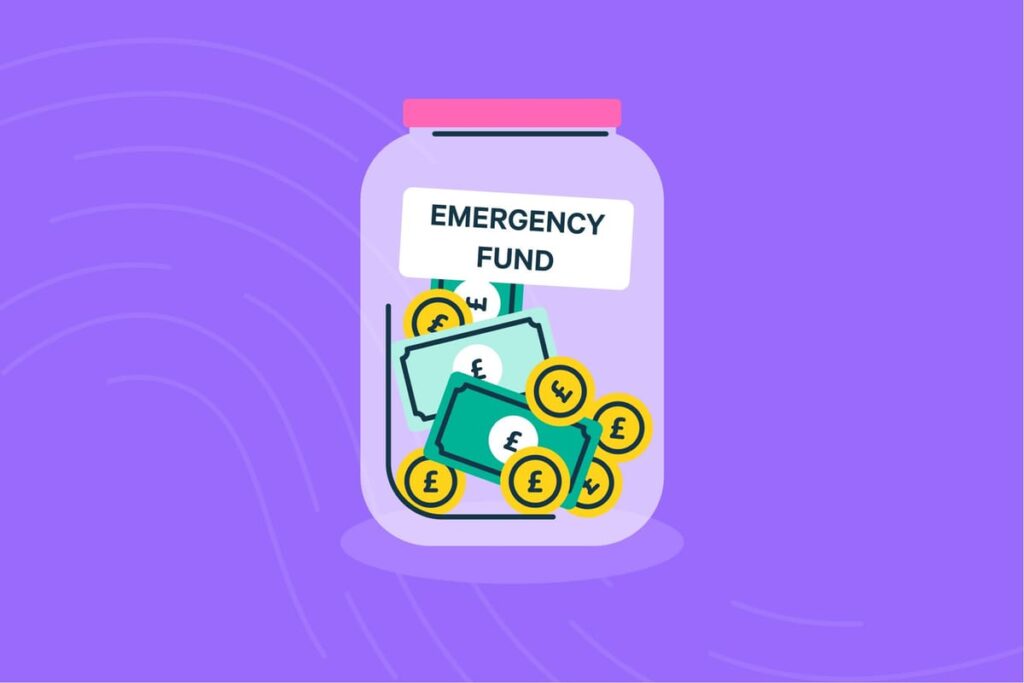

Life is unpredictable. Whether it is an unexpected medical expense, urgent car repairs, or sudden job loss, financial disruptions can happen to anyone at any time. Without a proper safety net, these events can quickly derail your long-term financial goals and force you into high-interest debt.
An emergency fund serves as your financial shock absorber. It provides peace of mind and ensures that an unexpected expense remains a minor inconvenience rather than a financial catastrophe. Building this fund does not require a massive windfall; instead, it relies on consistent, smart financial habits.
1. Define Your Target Goal Dynamically
A common piece of financial advice is to save three to six months’ worth of living expenses. However, a one-size-fits-all approach rarely works because financial risk profiles vary drastically from person to person.
To determine your specific target, calculate your essential baseline expenses—the absolute minimum you need to survive each month. This includes housing (rent or mortgage), utilities, groceries, insurance, and minimum debt payments. Discretionary spending, such as dining out or subscription services, should be excluded from this baseline calculation.
Tailor your fund to your risk profile:
- 3 Months: Ideal for dual-income households with highly stable salaried corporate jobs and low fixed costs.
- 6 Months: Recommended for single-income households, individuals with dependents, or those working in cyclical industries.
- 9 to 12 Months: Essential for freelancers, business owners, commission-based professionals, or anyone with highly variable income.
2. Separate Your Savings to Remove Temptation
One of the biggest psychological hurdles in building an emergency fund is the temptation to spend the money. If your emergency savings sit in your everyday checking account, it is easy to mistake that cushion for disposable income.
To build a successful fund, separate it entirely from your operational accounts. The ideal vehicle for an emergency fund is a High-Yield Savings Account (HYSA).
Unlike traditional savings accounts that offer negligible interest rates, HYSAs pay significantly higher yields. This ensures your money grows and keeps pace with inflation while remaining highly liquid. The goal is accessibility, not investment returns; avoid locking emergency cash into long-term certificates of deposit (CDs) or volatile stock market assets where withdrawals could incur penalties or losses during a market downturn.
3. Automate Your Consistency
Relying on willpower to save what is “left over” at the end of the month is an unreliable strategy. The most effective financial habit you can build is automating your savings process—a concept often referred to as “paying yourself first.”
Set up an automatic recurring transfer through your bank. Coordinate this transfer to happen the exact day after your paycheck hits your checking account. By moving the money before you have a chance to spend it, saving becomes an effortless, baseline habit. If your employer allows you to split your direct deposit across multiple accounts, direct a fixed percentage or dollar amount straight into your emergency account.
[Paycheck Inflow] ──> [Checking Account] ──(Automatic Transfer)──> [High-Yield Savings Account]
4. Reverse-Engineer Your Savings Velocity
If looking at a target of $10,000 feels overwhelming, break it down into micro-goals. Reverse-engineering your target velocity makes the process manageable and trackable.
For example, saving $500 a month gets you to $6,000 in a year. Breaking that down further, it represents roughly $125 a week, or about $18 a day. When you view the goal through the lens of daily or weekly choices, it becomes a sequence of minor lifestyle adjustments rather than a massive financial burden. Focus first on reaching an initial milestone of $1,000, celebrate that security milestone, and then scale up.
5. Audit Fluid Expenses and Redefine Luxury
To accelerate your savings velocity, you must optimize your cash flow. Conduct a thorough financial audit of your last 90 days of transactions. Categorize your spending to identify “leaks”—areas where money is slipping away without adding real value to your life.
- Subscription Cancellations: Look for streaming services, software licenses, or gym memberships you haven’t used in the past month.
- The Substitution Strategy: Replace high-cost habits with cost-effective alternatives. This doesn’t mean eliminating joy; it means optimizing value. For instance, brewing premium coffee at home or meal-prepping can free up substantial capital that can be funneled directly into your emergency fund.
- Negotiate Fixed Bills: Call your internet, insurance, or cellular providers to check for lower rates or promotional discounts.
6. Channel Windfalls Strategically
An excellent way to supercharge your emergency fund without tightening your daily budget is to leverage financial windfalls. Throughout the year, you may receive unexpected cash injections. Instead of treating this capital as “free money” for instant gratification, allocate a strict percentage directly to your safety net.
| Windfall Type | Recommended Allocation to Emergency Fund |
| Tax Refunds | 50% – 70% |
| Work Bonuses or Raises | 50% of the net increase |
| Cash Gifts / Side Hustle Income | 100% (until the baseline goal is met) |
By implementing a rule where you save a portion of any unexpected cash inflow, you significantly compress the timeline required to reach financial security.
7. Establish Strict Rules of Engagement
An emergency fund is only useful if it is preserved for true emergencies. Without strict, predefined boundaries, it is easy for “fund creep” to occur—where the account is slowly depleted for non-urgent expenses like vacations, holiday shopping, or flash sales.
Before touching the fund, ask yourself three diagnostic questions:
- Is it unexpected? (A predictable annual car registration fee is not an emergency; a blown transmission is.)
- Is it absolutely necessary? (Upgrading to a new smartphone is not necessary; replacing a broken refrigerator is.)
- Is it urgent? (Does it need to be resolved immediately to prevent further financial or personal damage?)
If the expense does not meet all three criteria, leave the fund intact and find alternative ways to cover the cost within your monthly discretionary budget.
Conclusion: The Psychological Dividend
Building an emergency fund is less about the math and more about behavior, discipline, and habit formation. The true value of a fully funded emergency account cannot be measured solely by the interest it earns in a bank. The real return on investment is the psychological dividend: the reduction of anxiety, the elimination of financial stress, and the confidence that comes from knowing you can handle whatever challenges life throws your way.
Start small, automate the process, stay consistent, and watch your financial resilience grow.