When it comes to building a secure financial future, two terms come up more often than any others: an emergency fund and a regular savings account. At first glance, they might seem like the exact same thing. After all, both involve putting money aside for the future rather than spending it today.
However, treating them as interchangeable is a common mistake that can cost you dearly when life throws a curveball.
Understanding the strategic differences between an emergency fund and a regular savings account is a fundamental pillar of personal finance. Here is a comprehensive breakdown of how they differ in purpose, structure, and execution, and how to balance both effectively.
The Core Concept: Purpose and Mindset
The primary difference between these two financial tools lies not in where the money is kept, but in why it is being saved.
What is an Emergency Fund?
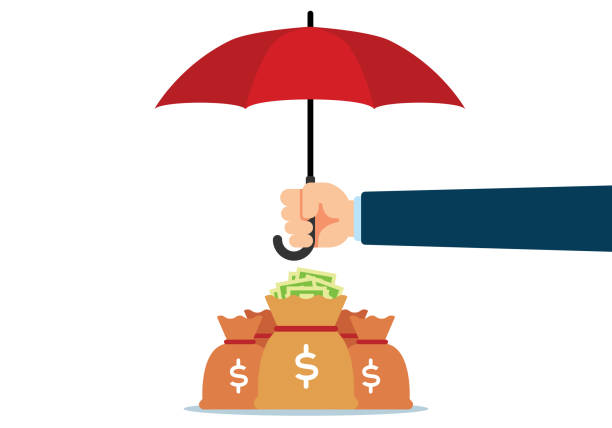
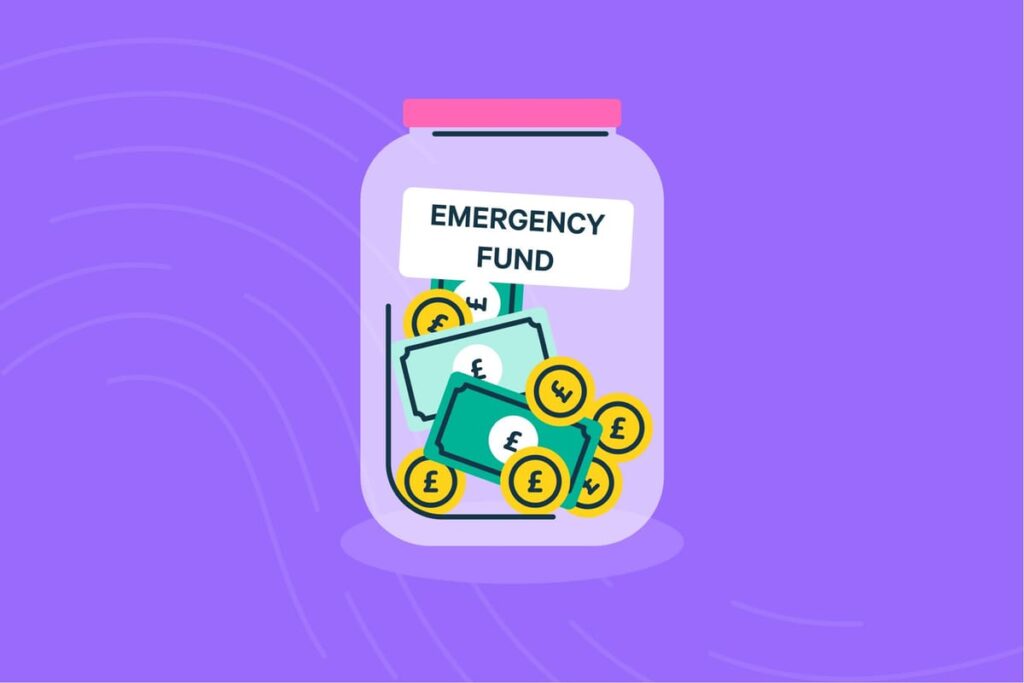
An emergency fund is your financial safety net. It exists for one reason only: to protect you from unexpected, mandatory life events that threaten your financial stability. This is not money meant for consumption; it is money meant for insurance.
- Examples of true emergencies: Sudden job loss, major medical emergencies, urgent car repairs needed to get to work, or a leaking roof.
- The Mindset: “I hope I never have to touch this money.”
What is a Regular Savings Account?
A regular savings account (often referred to as a goal-oriented savings account) is designed for planned future expenses. It is money you accumulate over time with the explicit intention of spending it later.
- Examples of savings goals: A down payment on a house, a vacation, holiday shopping, a new laptop, or a wedding.
- The Mindset: “I am actively building this balance to buy something specific in the future.”
Comparing the Key Characteristics
To optimize your financial strategy, you need to understand how liquidity, interest rates, and accessibility differ between these two pools of money.
| Feature | Emergency Fund | Regular Savings Account |
| Primary Goal | Financial survival & protection | Purchasing planned goals |
| Ideal Size | 3 to 6 months of living expenses | Dependent on the cost of the goal |
| Liquidity | Ultra-high (accessible instantly) | High to Moderate |
| Typical Vehicle | High-Yield Savings (HYSA) or Money Market | Traditional Savings, HYSA, or Sinking Funds |
| Transaction Frequency | Extremely rare | Frequent deposits and planned withdrawals |
Deep Dive: The Emergency Fund
The foundational rule of an emergency fund is liquidity. Liquidity refers to how quickly and easily you can convert an asset into cash without losing value.
When a pipe bursts in your home at 2:00 AM on a Sunday, you cannot wait three business days for a stock sale to clear, nor do you want to sell assets during a market downturn.
Where Should You Keep It?
An emergency fund belongs in a vehicle that offers safety and quick access, while ideally outpacing inflation.
- High-Yield Savings Accounts (HYSAs): These are online bank accounts that pay significantly higher interest rates than traditional brick-and-mortar banks, while keeping your money completely safe and FDIC-insured (up to $250,000 per depositor).
- Money Market Accounts (MMAs): Similar to HYSAs but often come with a debit card or check-writing privileges, making access even faster.
What to avoid: Never invest your emergency fund in the stock market or locked financial products like long-term Certificates of Deposit (CDs). The risk of losing principal when you need it most is too high.
Deep Dive: Regular Savings Accounts
Because regular savings accounts are tied to specific timelines, you have more flexibility in how and where you store the money, depending on when you plan to spend it.
Short-Term Goals (Less than 1 year)
If you are saving for a vacation six months from now, a regular savings account or an online HYSA is perfect. You want the money safe, stable, and separate from your daily checking account so you aren’t tempted to spend it on groceries or dining out.
Medium-Term Goals (1 to 5 years)
If you are saving for a wedding in three years or a down payment on a house in four years, you might look beyond standard savings accounts:
- Certificates of Deposit (CDs): If you know exactly when you need the money, you can lock it into a CD to secure a fixed, often higher interest rate.
- Sinking Funds: This is a method where you break down a large regular savings goal into monthly contributions (e.g., saving $100 a month specifically for annual car insurance).
The Psychological Danger of Mixing the Two
Why not just keep all your savings in one big bucket?
When you mix emergency money with regular savings, a psychological phenomenon known as mental accounting works against you. If you see $15,000 in a single savings account, your brain perceives you as “wealthy.” You might look at that balance and decide you can afford a $5,000 vacation.
However, if $10,000 of that money was actually your baseline 3-month emergency fund, you have just unknowingly depleted your safety net down to a dangerous level.
By physically separating these accounts—ideally at different banks or using distinct nicknames within your banking app—you create a cognitive barrier. You look at your “Vacation Fund” and see exactly what you can spend, while the “Emergency Fund” remains untouched and psychologically off-limits.
How to Prioritize: Which One Comes First?
If you are starting from scratch, the order of operations matters. Building a vacation fund while having zero emergency savings is a financial hazard. If an emergency occurs, you will be forced to drain your vacation fund anyway, or worse, rely on high-interest credit card debt.
Step 1: The Starter Emergency Fund
Before aggressively saving for big goals, aim to accumulate a starter emergency fund of $1,000 or one month’s worth of essential expenses. This acts as a buffer against minor inconveniences.
Step 2: Pay Off High-Interest Debt
With a small safety net in place, redirect your extra cash toward eliminating high-interest consumer debt (like credit cards), which actively erodes your ability to save.
Step 3: Fully Fund the Emergency Fund
Build your buffer up to 3 to 6 months of bare-bones living expenses (rent/mortgage, utilities, food, insurance). If your income is volatile (e.g., freelance or commission-based), aim closer to 6 to 9 months.
Step 4: Unleash Your Regular Savings Goals
Once your emergency fund is fully loaded and locked away, you can confidently aggressively save for your lifestyle goals, investments, and dreams without the fear of an unexpected event derailing your progress.
Final Thoughts
An emergency fund is about peace of mind and risk mitigation. A regular savings account is about opportunity and achieving your personal goals.
By defining clear boundaries between what is an unexpected crisis and what is a planned expense, you protect your current lifestyle while steadily building the future one. Open separate accounts, automate your monthly transfers, and give every dollar a specific, dedicated job.