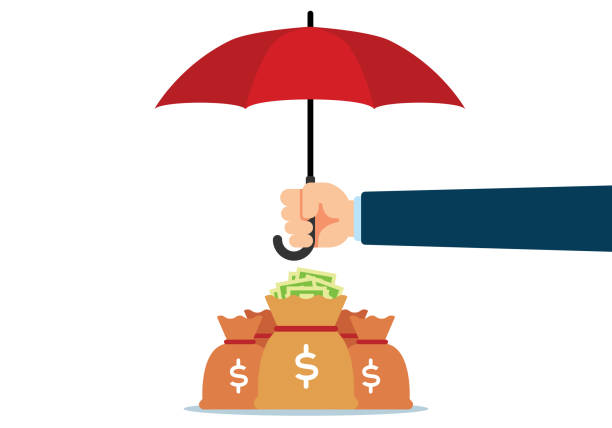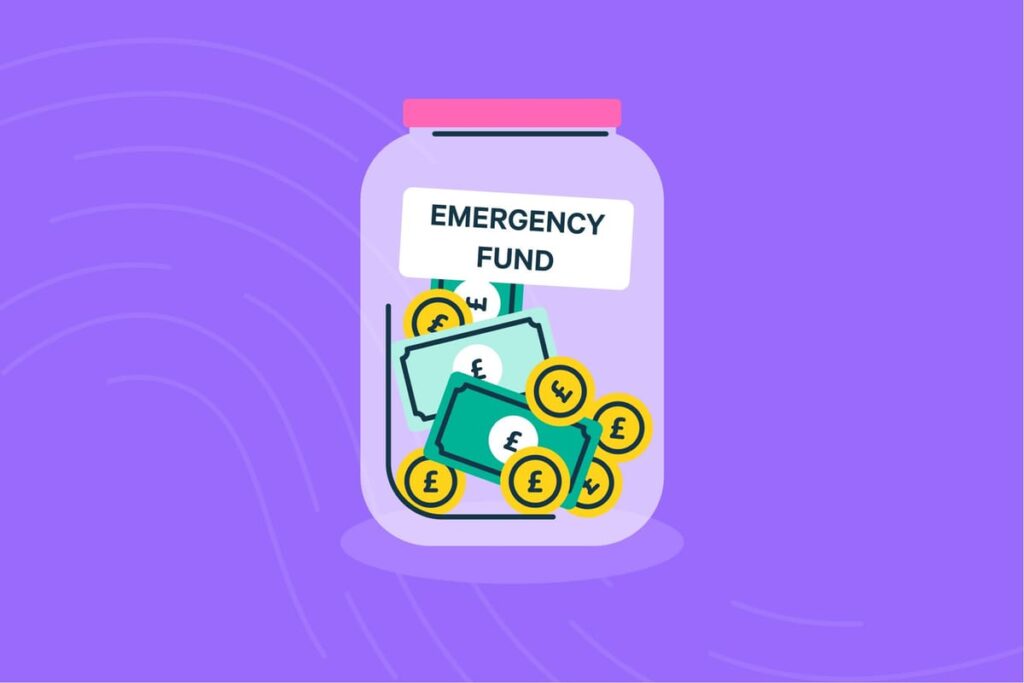

In an unpredictable economic landscape, financial stability is not merely about how much you earn, but how well you protect what you keep. While investing in the stock market or saving for a dream vacation are exciting milestones, the true bedrock of personal finance is the emergency fund.
An emergency fund is a dedicated pool of cash set aside strictly for unplanned expenses or financial hardships, such as sudden job loss, medical emergencies, or major car repairs. Without this safety net, individuals often find themselves relying on high-interest credit cards or personal loans, plunging them into a cycle of debt.
Implementing an effective emergency fund strategy is the single most impactful step you can take toward long-term financial peace of mind.
1. Determining Your Target: How Much is Enough?
The traditional rule of thumb in personal finance suggests saving three to six months’ worth of living expenses. However, this is not a one-size-fits-all metric. Your optimal target depends entirely on your unique lifestyle, job security, and financial obligations.
The 3-Month Baseline
This baseline is typically sufficient for individuals with high job security, steady salary-based income, minimal debt, and no dependents. If you could easily find another job within a few weeks of being laid off, a three-month cushion allows your money to remain lean, leaving more capital free for wealth-building investments.
The 6-Month Standard
This is the ideal target for dual-income households with children, homeowners with mortgage obligations, or individuals with moderate job volatility. If an unexpected roof leak and a medical bill happen in the same month, a six-month fund ensures your lifestyle remains completely uninterrupted.
The 9-to-12-Month Cushion
A larger safety net is highly recommended for freelancers, gig-economy workers, business owners, or single-income households. When your income fluctuates wildly from month to month, or if your industry is highly susceptible to economic recessions, a robust cash cushion prevents you from having to liquidate investments during a market downturn.
Crucial Distinction: Your emergency fund should cover essential living expenses (rent, food, insurance, debt minimums), not your current total income.
2. Where to Stash Your Cash: Accessibility vs. Growth
An emergency fund has two primary mandates: liquidity (how fast you can get to it) and safety (guaranteed protection from market loss). Therefore, keeping this money in the stock market or locked in a multi-year Certificate of Deposit (CD) is a dangerous strategy.
On the flip side, leaving thousands of dollars in a traditional brick-and-mortar savings account earning a near-zero interest rate means your money is actively losing purchasing power to inflation.
       [ Emergency Fund Placement Matrix ]

  High Liquidity  |  Traditional Savings  |  High-Yield Savings
                  |  (No growth)          |  (Optimal Balance)
                  |                       |
  Low Liquidity   |  Physical Cash        |  Multi-Year CDs
                  |  (Unsafe/No growth)   |  (Locked penalties)
                  ---------------------------------------------
                                Low Yield        High Yield
The optimal vehicle for an emergency fund is a High-Yield Savings Account (HYSA). HYSAs offer interest rates that are often 10 to 12 times higher than traditional bank accounts while maintaining full liquidity. Your money remains safe, federally insured (via FDIC or equivalent protection), and accessible within 24 to 48 hours via electronic transfer.
3. Step-by-Step Strategy to Build Your Fund From Scratch
Staring down a financial goal of $15,000 or $20,000 can feel overwhelming if you are starting from zero. The secret to success is treating the process as a marathon rather than a sprint.
Step 1: Secure a $1,000 Starter Fund
Before attacking debt aggressively or ramping up retirement contributions, focus entirely on building a $1,000 starter emergency fund. This minor buffer is usually enough to handle basic inconveniences—like a broken smartphone or a dead car battery—without forcing you to borrow money.
Step 2: Automate Your Savings
Human willpower is a flawed financial tool. To ensure consistent growth, set up an automatic transfer through your employer’s payroll or your primary bank account. Directing a specific portion (e.g., 10%) of every paycheck straight into your HYSA treats savings as a non-negotiable bill. If you never see the money in your checking account, you won’t miss it.
Step 3: Audit and Optimize Expenses
Accelerate your savings rate by temporarily auditing your bank statements. Identify “stealth expenses”—unused streaming subscriptions, excessive dining out, or premium memberships. Redirecting these leaks into your emergency fund can shave months off your timeline.
Step 4: Capitalize on Financial Windfalls
Tax refunds, work bonuses, cash gifts, or freelance side-hustle earnings present a massive opportunity. Instead of inflating your lifestyle, route at least 50% of any unexpected windfall directly into your emergency cache.
4. The Rules of Engagement: Defining a True Emergency
The psychological challenge of an emergency fund is resisting the urge to spend it on non-emergencies. A sudden flash sale on flight tickets or a major discount on a home theater system might feel like an urgent opportunity, but it does not qualify as an emergency.
To maintain financial discipline, evaluate any potential withdrawal against three strict criteria:
- Is it unexpected? (A routine annual car insurance premium is not an emergency; a blown transmission is.)
- Is it absolutely necessary? (Upgrading your functioning laptop is not necessary; replacing a broken refrigerator is.)
- Is it urgent? (Does this need to be paid right now to avoid severe legal, physical, or financial consequences?)
If the expense does not check all three boxes, it belongs in a separate “sinking fund” (a savings bucket for planned future expenses) rather than your emergency reserve.
5. Maintaining and Replenishing Your Fund
An emergency fund is a living, breathing component of your financial ecosystem. It requires periodic maintenance to remain effective.
- Account for Lifestyle Creep: As your income grows, your expenses naturally tend to follow. If you move into a nicer apartment or take on a higher car payment, recalculate your baseline living expenses and adjust your emergency fund target accordingly.
- The Post-Emergency Reset: When a true emergency occurs and you tap into your fund, do not panic—this is exactly what the money was built for. However, your financial priority must immediately shift. Pause any aggressive investing or luxury spending until the fund is fully replenished to its original target.
Conclusion: The Psychological Dividend
Ultimately, an emergency fund is more than just a spreadsheet metric or a buffer against inflation. It pays a massive psychological dividend.
When you have six months of living expenses sitting securely in cash, your relationship with your career, your health, and your life changes. You no longer operate from a place of financial fear. A sudden corporate layoff transforms from a catastrophic crisis into a manageable transition period.
By strategically building, housing, and respecting an emergency fund, you shift your financial posture from reactive survival to proactive wealth creation, establishing an unbreakable foundation for permanent financial stability.