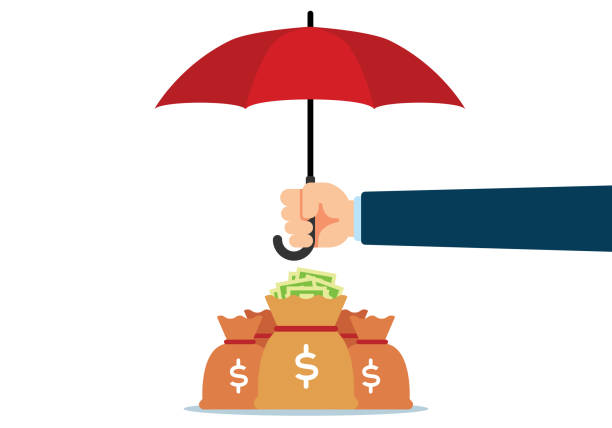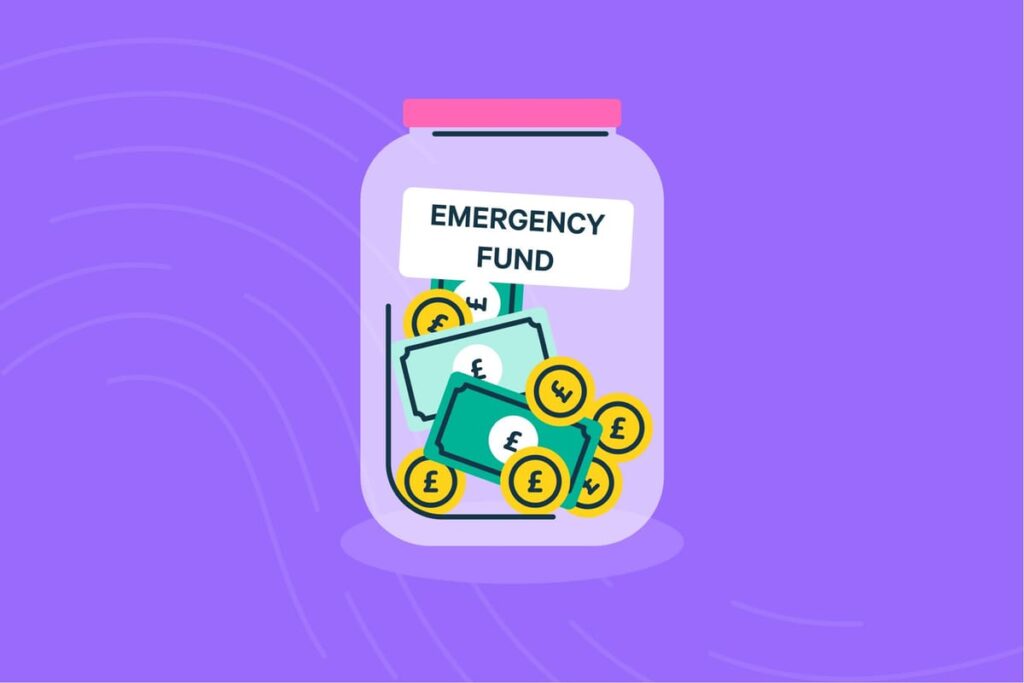

In an ideal economic climate, saving money is a straightforward equation: income minus expenses equals savings. However, when inflation surges, this equation breaks down. Inflation acts as a hidden tax, eroding your purchasing power and making everyday essentials like groceries, housing, and utilities significantly more expensive.
During inflationary periods, financial stress hits a peak, which ironically makes having an emergency fund more critical than ever. If you lose your job or face an unexpected medical bill when prices are high, lacking a cash cushion can quickly push you into high-interest debt.
Building and maintaining an emergency fund during times of inflation requires a shift in strategy. It is no longer just about hiding cash under the mattress; it is about protecting the value of your safety net while navigating a higher cost of living.
Why Inflation Changes the Emergency Fund Rules
Traditionally, financial experts recommend saving three to six months’ worth of living expenses. In a stable economy, if your monthly expenses are $3,000, a $9,000 to $18,000 fund is perfectly adequate.
Inflation alters this math in two distinct ways:
- Underestimated Expenses: If inflation is running at 6% or 8%, the $3,000 you needed per month last year might easily become $3,200 or $3,300 this year. A stagnant emergency fund quickly becomes insufficient to cover your actual real-world needs.
- The Cash Drag: Cash sitting in a traditional checking or savings account loses value daily during high inflation. If your bank pays 0.05% interest while inflation is at 7%, your purchasing power is actively shrinking.
To combat this, your emergency fund strategy must evolve from passive accumulation to active protection.
Step-by-Step Strategy to Build Your Fund Amid Rising Prices
1. Audit and Recalculate Your Baseline
Before you can save, you need an accurate picture of what an emergency actually costs today. Look at your bank statements from the last three months. Because of inflation, your baseline expenses for food, fuel, and utilities have likely risen.
When calculating your target fund size, focus strictly on essential expenses (housing, basic groceries, insurance, utilities, and minimum debt payments). Multiply this updated monthly figure by at least six. In inflationary environments, aiming for the higher end of the savings spectrum (six to nine months) provides a safer buffer against potential job market instability.
2. Leverage High-Yield Cash Vehicles
Leaving your emergency fund in a standard brick-and-mortar bank account is a mistake when inflation is high. Fortunately, central banks usually raise interest rates to fight inflation, which means savers can finally earn decent yields if they look in the right places.
- High-Yield Savings Accounts (HYSAs): Online banks often offer HYSAs with interest rates that are significantly higher than traditional banks. While they might still trail the headline inflation rate slightly, they significantly reduce the “cash drag” while keeping your money 100% liquid.
- Money Market Funds (MMFs): Offered by brokerage firms, these funds invest in short-term, low-risk debt securities. They often yield slightly more than HYSAs, though they are not FDIC-insured in the same way (though they remain exceptionally safe).
| Account Type | Liquidity | Risk Level | Best Used For |
| Traditional Savings | Immediate | Extremely Low (FDIC) | Daily banking only |
| High-Yield Savings (HYSA) | 1–2 Business Days | Extremely Low (FDIC) | Primary emergency fund tier |
| Money Market Fund | 2–5 Business Days | Very Low | Secondary emergency fund tier |
3. Implement the “Tiered” Emergency Fund Strategy
An emergency fund needs to be accessible, but not all of it needs to be accessible within five minutes. A tiered approach allows you to optimize your returns while maintaining necessary liquidity:
- Tier 1 (Immediate Access): Keep $1,000 to $2,000 or one month’s expenses in an HYSA linked to your checking account. This covers immediate crises, like a broken refrigerator or an urgent car repair.
- Tier 2 (Short-Term Access): Place the remaining three to five months of expenses into a slightly higher-yielding vehicle, like a Money Market Fund or short-term Certificates of Deposit (CDs) with no-penalty withdrawal clauses.
4. Optimize the Budget with Variable Cuts
When inflation squeezes your paycheck, finding extra money to save feels impossible. The key is distinguishing between fixed inflation and variable inflation. You cannot easily change your rent or mortgage, but you can aggressively target variable expenses.
Try a “micro-budgeting” approach: look for recurring subscriptions you forgot about, negotiate your internet or insurance rates, and switch to store brands for groceries. Every $20 saved by cutting back on non-essentials should be automatically transferred to your emergency fund via automated transfers on payday. If you don’t see the money in your checking account, you won’t miss it.
AdSense Policy Compliance & Content Value Note
Financial Disclaimer: This article provides educational information and general economic analysis. Financial situations vary wildly based on individual circumstances. Always conduct your own research or consult with a certified financial planner (CFP) before making major investment or banking shifts.
To ensure high ad relevance and strict compliance with Google AdSense Your Money or Your Life (YMYL) guidelines, this content avoids promoting specific, high-risk financial products, volatile cryptocurrencies, or unverified get-rich-quick schemes. It focuses purely on universally accepted macroeconomic concepts and safe banking practices.
Pitfalls to Avoid During Inflationary Savings
When building your safety net under economic pressure, beware of these common psychological and financial traps:
- Investing the Fund in the Stock Market: It is tempting to put your emergency fund into stocks or index funds to “beat inflation.” However, market downturns often coincide with economic recessions and job losses. If you are forced to cash out your emergency fund during a market dip, you lock in permanent financial losses.
- Falling for Lifestyle Creep Post-Raise: If you receive a cost-of-living adjustment or a raise at work, resist the urge to upgrade your lifestyle. Direct 100% of that raise into your emergency fund until your target baseline is fully met.
- Ignoring Debt vs. Savings Math: If you have high-interest credit card debt (which often gets even more expensive during inflationary periods as interest rates rise), building a massive emergency fund while paying 24% APR is counterproductive. Build a starter fund of one month’s expenses first, then aggressively crush the high-interest debt before finishing the full fund.
Final Thoughts
Inflation makes saving money feel like running up an escalating down-ramp. However, adjusting your baseline calculations, utilizing modern high-yield financial accounts, and structuring your fund into tiers allows you to build an ironclad defense against economic uncertainty. An emergency fund is not just a pile of cash; it is financial peace of mind when the world around you gets increasingly expensive.