Financial experts often debate the best investment strategies, the merits of various cryptocurrencies, or the right time to buy a home. However, there is one piece of advice that is universally accepted: you need an emergency fund.
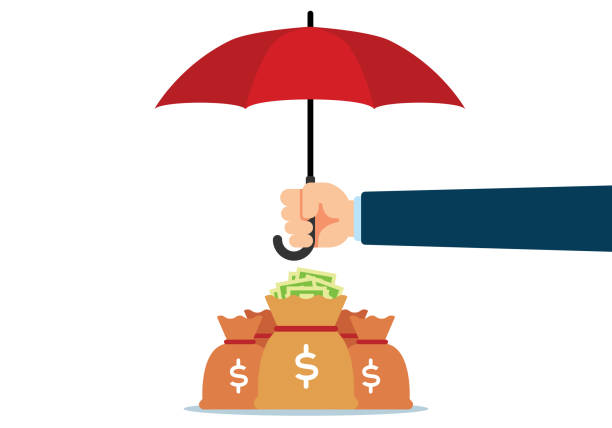
In an unpredictable world, an emergency fund is your most important financial asset. It is not about building wealth; it’s about protecting the wealth you already have—and your sanity. This guide will walk you through everything you need to know to build a robust safety net from scratch.
What Exactly is an Emergency Fund?
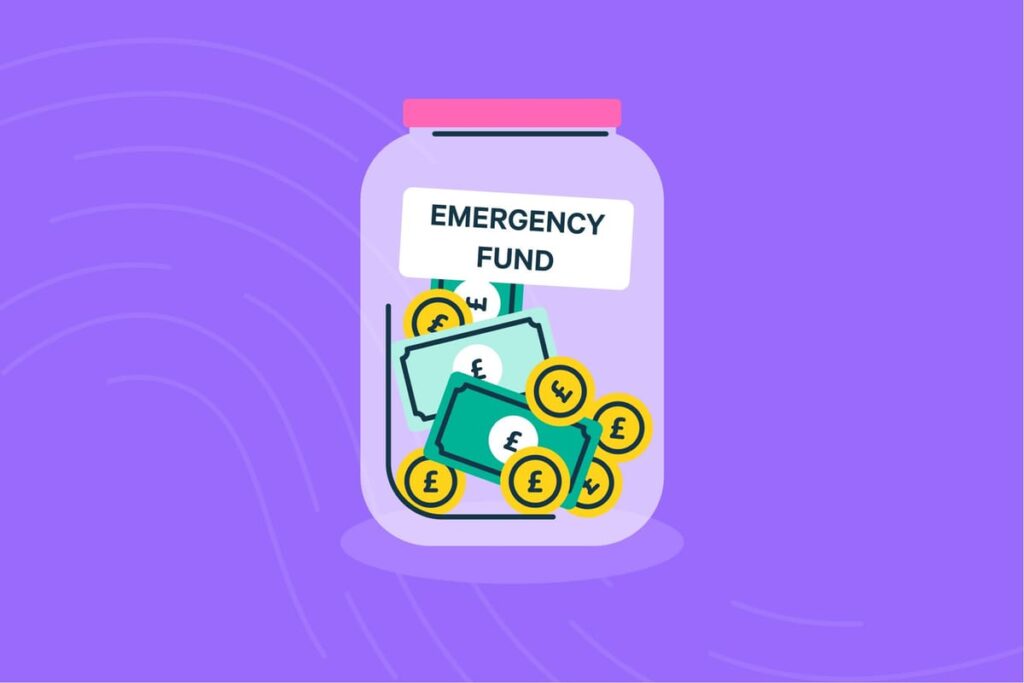
An emergency fund is a stash of money set aside specifically to cover the costs of unexpected life events. Think of it as a financial shock absorber. When life hits a bump—a job loss, a medical bill, or a broken water heater—this fund absorbs the impact so your daily life doesn’t have to.
It is NOT:
- A vacation fund.
- A “new car” savings account.
- An investment portfolio (stocks/crypto).
- A “sale at the mall” fund.
It IS:
- Liquid cash (easily accessible).
- Highly secure (low risk).
- A barrier between you and high-interest debt.
Why You Need One (The Psychology of Safety)
Most people live paycheck to paycheck. When an unexpected $1,000 expense arises, many are forced to put it on a credit card. This creates a cycle of debt where you pay interest on your misfortunes.
An emergency fund changes your relationship with stress. When you have $5,000 in the bank, a flat tire is a minor inconvenience rather than a life-altering crisis. It gives you the “power to say no”—to a toxic job, to a bad living situation, or to predatory loans.
Step 1: Determine Your Target Goal
The standard advice is to save 3 to 6 months of essential living expenses. However, “essential” is the keyword here. This isn’t your current salary; it’s the bare minimum you need to survive.
How to Calculate Your Number:
- Housing: Rent/Mortgage, insurance, property taxes.
- Utilities: Electricity, water, internet, phone.
- Food: Groceries (exclude dining out).
- Transportation: Car payments, gas, insurance, or public transit.
- Debt: Minimum payments on credit cards or student loans.
| Situation | Recommended Buffer |
| Single, steady job, low rent | 3 Months |
| Couple, dual income, no kids | 3–4 Months |
| Homeowner with children | 6 Months |
| Self-employed or Freelancer | 6–12 Months |
Step 2: Start Small with a “Starter Fund”
Looking at a goal of $15,000 can be paralyzing. Instead of focusing on the mountain, focus on the first step.
Aim for a $1,000 starter goal. This amount is enough to cover most common emergencies, such as a deductible for car insurance or a sudden dental visit. Having this initial win provides the psychological momentum needed to keep going.
Step 3: Where to Keep Your Money
Your emergency fund needs to be two things: accessible and separate.
- High-Yield Savings Account (HYSA): This is the gold standard. HYSAs offer much higher interest rates than traditional checking accounts, meaning your money grows slightly while sitting idle. Crucially, they are FDIC-insured.
- Money Market Accounts: Similar to savings accounts but often come with a debit card or check-writing abilities for even faster access.
Pro-Tip: Keep this account at a different bank than your daily checking account. If you see the balance every time you log in to pay for groceries, you’ll be tempted to “borrow” from it.
Step 4: Strategies to Fund the Account
Unless you find a pot of gold, you’ll need to build this fund through consistent habits.
1. Automate the Process
Treat your emergency fund like a mandatory bill. Set up an automatic transfer of $50, $100, or $500 from your paycheck directly into your HYSA. If you never see the money in your checking account, you won’t miss it.
2. The “Windfall” Rule
Commit to putting 50% to 100% of any unexpected money into the fund. This includes:
- Tax refunds.
- Work bonuses.
- Birthday cash.
- Selling unused items on online marketplaces.
3. The Budget Audit
Review your last three months of spending. Can you cancel one streaming service? Can you cook at home two more nights a week? Redirecting just $20 a week adds up to over $1,000 in a year.
Step 5: When to Actually Use It
This is where many people struggle. To keep your fund intact, you must define what constitutes an emergency. Ask yourself these three questions:
- Is it unexpected? (A Christmas gift is not an emergency; it happens every December).
- Is it necessary? (A broken fridge is necessary; a 4K TV upgrade is not).
- Is it urgent? (Does it need to be paid now to prevent further damage or loss?).
Legitimate Emergencies:
- Job loss or sudden income reduction.
- Emergency medical or dental surgery.
- Essential car repairs (to get to work).
- Emergency home repairs (leaking roof, broken furnace).
Common Pitfalls to Avoid
Investing Your Emergency Fund
It is tempting to put your emergency savings into the stock market to chase 10% returns. Don’t do it. Markets can crash at the exact moment the economy tanks and you lose your job. An emergency fund is insurance, not an investment. Its job is to be there, not to make you rich.
“I’ll Pay it Back Later”
Once you reach your goal, the fund shouldn’t be touched. If you do have to use it for a real emergency, your #1 financial priority becomes replenishing it before you go back to investing or luxury spending.
The Road to Financial Freedom
Building an emergency fund is the “boring” part of personal finance, but it is the foundation upon which all other success is built. You cannot effectively invest in a 401(k) or pay down high-interest debt if you are one bad break away from financial ruin.
Start today. Even if it’s just $5 a week. The peace of mind you’ll feel knowing you can handle whatever life throws at you is worth more than any luxury purchase.
Summary Checklist for Beginners:
- [ ] Calculate one month of essential expenses.
- [ ] Open a High-Yield Savings Account (HYSA) at a separate bank.
- [ ] Save your first $1,000 as fast as possible.
- [ ] Set up an automatic monthly transfer.
- [ ] Gradually increase the fund to cover 3–6 months of expenses.
- [ ] Sleep better knowing you’re prepared.