Economic uncertainty is no longer a rare, once-in-a-generation phenomenon; it has become a defining characteristic of the modern financial landscape. Between shifting global market dynamics, inflationary pressures, and the rapid evolution of the job market due to automation and artificial intelligence, individuals worldwide face an increasingly unpredictable financial future.
In this climate, traditional financial advice remains more relevant than ever, anchored by one fundamental pillar: the emergency fund. This comprehensive article explores why an emergency fund is your ultimate financial shock absorber, how it protects your long-term wealth, and practical strategies to build one when every dollar counts.
Defining the Emergency Fund in a Modern Economy
An emergency fund is a dedicated, highly liquid pool of money set aside strictly for unplanned expenses or sudden financial disruptions. It is distinct from your everyday checking account and completely separate from long-term savings goals like buying a home, purchasing a vehicle, or funding retirement.
Historically, the golden rule of personal finance dictated saving three to six months’ worth of living expenses. However, the modern economic landscape often demands a more nuanced approach:
- The 3-Month Baseline: Ideal for salaried employees with high job security, dual-income households, and minimal fixed debts.
- The 6-Month Standard: Recommended for single-income households, individuals working in cyclical industries, or those with moderate debt obligations.
- The 9-to-12-Month Buffer: Increasingly preferred by freelancers, gig-economy workers, entrepreneurs, and individuals with specialized roles that may take longer to replace during a recession.
The Strategic Core: Why It Matters Now
When macroeconomic indicators fluctuate, the psychological and practical strain on households intensifies. An emergency fund serves multiple critical functions that extend far beyond simply paying an unexpected bill.
1. Breaking the Cycle of High-Interest Debt
Without a cash buffer, any sudden expense—a major car repair, a medical emergency, or a broken home appliance—forces individuals to rely on credit. In environments with high interest rates, relying on credit cards or personal loans can trigger a dangerous debt spiral.
By paying for emergencies with cash, you preserve your borrowing capacity for true necessities and avoid paying compounding interest on unexpected expenses.
2. Mitigating the Impact of Sudden Job Loss
Corporate restructuring and sudden layoffs can catch even top-tier professionals off guard. When a primary income stream disappears, the clock starts ticking.
An emergency fund buys you time. Instead of rushing into the first low-paying or ill-suited job out of sheer desperation, a robust cash reserve allows you to navigate the job market strategically, upskill if necessary, and secure a position that aligns with your long-term career goals.
3. Protecting Long-Term Investments
One of the most devastating financial mistakes individuals make during an economic downturn is raiding their retirement accounts or selling stocks at a loss to cover immediate cash needs.
[Economic Downturn] ──> [No Cash Reserves] ──> [Forced Liquidation of Stocks/Crypto at a Loss]
                                                        │
                                                        └──> [Permanent Loss of Future Compound Growth]
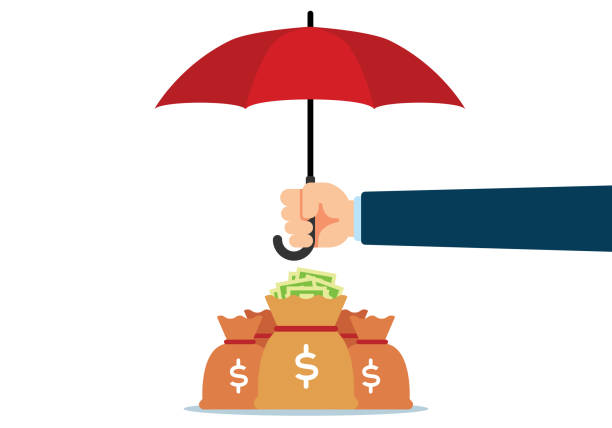
An emergency fund acts as a protective firewall around your wealth-building assets. It ensures that your long-term investments remain untouched, allowing compound interest to work uninterrupted through market cycles.
4. Psychological Security and Stress Reduction
Financial anxiety is a leading cause of chronic stress, sleep deprivation, and relationship strain. Knowing that you have a financial safety net drastically reduces cognitive load. This peace of mind allows you to make rational, calculated decisions during a crisis rather than reacting out of panic.
Where to Park Your Emergency Fund
An emergency fund requires a delicate balance between accessibility and growth. If the money is too easy to access (like a standard checking account), you might tempt yourself to spend it on non-emergencies. If it is too locked away (like a fixed-term certificate of deposit or stocks), you cannot deploy it instantly when a crisis hits.
| Account Type | Liquidity / Accessibility | Return Potential (Yield) | Best Used For |
|---|---|---|---|
| High-Yield Savings Account (HYSA) | High (1–2 business days) | Moderate (Tracks central bank rates) | The ideal default home for the majority of your cash reserves. |
| Money Market Accounts (MMAs) | High (Often includes a debit card/checks) | Moderate | Excellent for instant access, though may require higher minimum balances. |
| Traditional Checking Account | Immediate | Very Low / Zero | Keeping just $500–$1,000 here for instant weekend emergencies is wise; keep the rest elsewhere. |
Micro-Steps to Build Your Cushion From Scratch
If you are starting from zero, the prospect of saving thousands of dollars can feel overwhelming. The key is to focus on momentum rather than the final number.
- Automate the Process: Treat your emergency fund like a non-negotiable monthly bill. Set up an automatic transfer of 5% to 10% of your paycheck directly into your high-yield savings account the day you get paid.
- Audit Variable Expenses: Review your last three months of bank statements. Temporarily scaling back on subscription services, dining out, or impulse purchases can free up immediate cash to seed your fund.
- Windfalls and Bonuses: Redirect unexpected capital—such as tax refunds, performance bonuses, or monetary gifts—directly into your emergency reserves before you have a chance to incorporate it into your lifestyle.
- Celebrate the First Milestone: Aim for an initial, bite-sized goal of $1,000. This baseline covers the vast majority of minor day-to-day crises and provides immediate psychological relief.
Guarding Against “Emergency Creep”
The ultimate success of an emergency fund relies heavily on strict behavioral discipline. It is incredibly easy to justify non-essential spending under the guise of an “emergency.”
To maintain the integrity of your fund, score every potential withdrawal against three strict criteria:
- Is it unexpected? (A predictable annual insurance premium is a budgeting issue, not an emergency.)
- Is it absolutely necessary? (Fixing a leaking roof is necessary; upgrading a dated kitchen is not.)
- Is it urgent? (Does it need to be resolved within the next 24 to 48 hours to prevent further financial or personal harm?)
If the expense does not check all three boxes, leave the fund intact and find alternative ways to cash-flow the expense within your monthly budget.
Conclusion
Economic uncertainty is an inevitable reality of the modern world, but financial vulnerability doesn’t have to be. An emergency fund is more than just money sitting in a bank account; it is self-insurance. It is the boundary line between a minor temporary setback and a catastrophic financial crisis. By prioritizing your safety net today, you secure the freedom, stability, and peace of mind required to thrive in an unpredictable tomorrow.