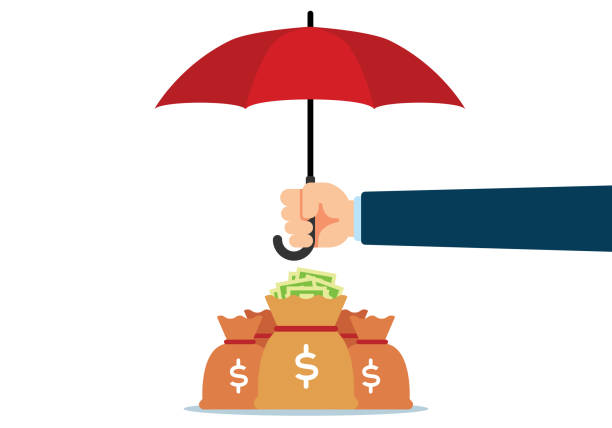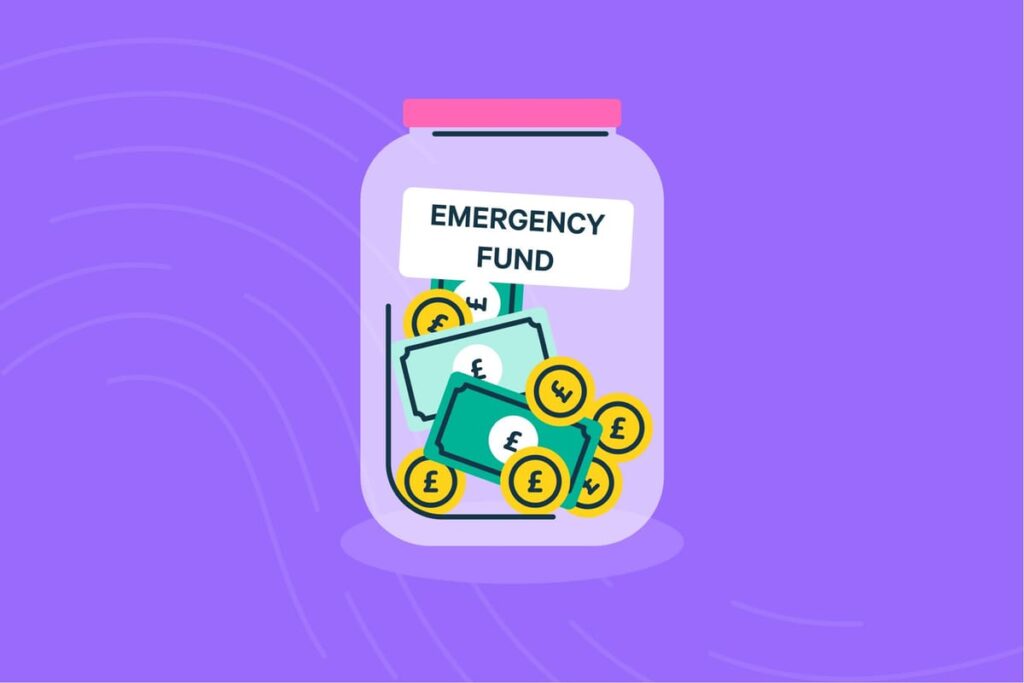

Life is full of unexpected twists. Whether it’s a sudden medical bill, urgent car repairs, or a temporary loss of income, financial surprises are a matter of “when,” not “if.” This is where an emergency fund comes in.
An emergency fund is a dedicated savings cushion designed to cover unplanned expenses, ensuring you don’t have to rely on high-interest credit cards or loans. While financial experts typically recommend saving three to six months’ worth of living expenses, reaching that goal can feel daunting.
If you need to establish a financial safety net quickly, here are the fastest, most effective strategies to build your emergency fund from scratch.
1. Audit Your Expenses and Cut the Fat Immediately
The absolute fastest way to find money for your emergency fund is to stop spending it elsewhere. Look at your bank and credit card statements from the past 90 days to identify where your money is actually going.
The “Slash and Pause” Method
To supercharge your savings in the short term, adopt a temporary “slash and pause” mindset. This isn’t about permanent deprivation; it’s about redirecting funds for a brief, intense period until your safety net is secure.
- Cancel Subscriptions: Pause streaming services, gym memberships, and software subscriptions you can live without for a few months.
- Dine In: Restaurant meals and daily coffee runs are major budget drains. Cooking at home and brewing your own coffee can easily reclaim $200 to $500 a month.
- Negotiate Bills: Call your internet, insurance, and phone providers. Ask for discounts, mention competitor rates, or downgrade to cheaper plans.
2. Leverage the Power of a High-Yield Savings Account (HYSA)
Where you keep your emergency fund matters just as much as how much you put into it. Leaving your savings in a traditional brick-and-mortar bank account means your money is losing purchasing power to inflation, as traditional accounts often offer interest rates close to 0.01%.
Instead, move your money to a High-Yield Savings Account (HYSA). Online banks frequently offer interest rates that are significantly higher than the national average.
| Account Type | Average Interest Rate | Annual Earnings on $5,000 |
|---|---|---|
| Traditional Savings Account | ~0.01% | $0.50 |
| High-Yield Savings Account (HYSA) | ~4.00% – 5.00% | $200 – $250 |
By utilizing an HYSA, your money works for you through the power of compound interest, helping you reach your target faster without any extra effort on your part. Ensure the account you choose is FDIC-insured (or equivalent in your region) so your principal remains entirely safe.
3. Automate Your Savings to Remove Temptation
One of the biggest hurdles to saving money is human psychology. If we see money sitting in our checking accounts, we are naturally inclined to spend it. The solution is simple: automate the process.
Set up an automatic transfer through your employer’s payroll system or your banking app. You can arrange for a specific dollar amount (e.g., $50 per week) or a percentage of your paycheck to be deposited directly into your emergency fund the day you get paid.
Pro Tip: Treat your emergency fund like a mandatory bill. You wouldn’t skip your rent or electricity payment; treat your financial security with the same level of urgency.
4. Declutter for Fast Cash
Look around your home. Most people are sitting on hundreds, if not thousands, of dollars in unused items. Selling things you no longer need is one of the fastest ways to inject a large lump sum of cash directly into your emergency fund.
- Electronics: Old smartphones, tablets, gaming consoles, and laptops can be sold quickly on platforms like Swappa or eBay.
- Clothing: Use apps like Poshmark, Depop, or Vinted to clear out your closet.
- Furniture and Tools: Facebook Marketplace and Craigslist are excellent for local cash transactions, eliminating shipping hassles.
Host a garage sale over a weekend or dedicate an hour each evening to listing five items online. You’ll declutter your living space while rapidly building your financial cushion.
5. Take on a Temporary Side Hustle
If cutting expenses doesn’t free up cash fast enough, you need to focus on the other side of the equation: increasing your income. Thanks to the modern gig economy, you can start earning extra money within days.
Consider dedicating 5 to 10 hours a week to a side gig, with 100% of the profits going straight to your emergency fund.
- Service-Based Gigs: Pet sitting or dog walking (via Rover), food delivery (UberEats, DoorDash), or ridesharing.
- Skill-Based Freelancing: If you have skills in writing, graphic design, web development, or video editing, offer your services on platforms like Upwork or Fiverr.
- Local Odd Jobs: Let neighbors know you are available for lawn mowing, house cleaning, or moving assistance.
Because this income is temporary and designated for a specific goal, it is much easier to maintain the motivation required to work extra hours.
6. Capitalize on Windfalls and “Found Money”
Throughout the year, you likely receive unexpected or non-standard influxes of cash. Instead of treating these windfalls as “free money” for luxury purchases, redirect them entirely into your emergency fund.
Common financial windfalls include:
- Tax Refunds: The average tax refund can immediately fund a significant portion of an emergency cushion.
- Work Bonuses: If you receive a performance bonus or a holiday stipend, save it before you have a chance to spend it.
- Monetary Gifts: Birthday or holiday cash gifts from family.
- Credit Card Rewards: Cash out any accumulated credit card points or cash-back rewards and transfer them to your HYSA.
7. Re-evaluate Your Insurance Deductibles
If you already have a small baseline savings buffer, you can optimize your monthly cash flow by reviewing your insurance policies.
Consider raising your deductibles on your auto or homeowners insurance. Opting for a higher deductible typically lowers your monthly premium significantly. The cash you save on your premium every month can be funneled directly into your emergency fund.
Note: Only do this if you are confident that your growing emergency fund will soon be large enough to cover the higher deductible if an accident occurs.
Final Thoughts: Staying Motivated
Building an emergency fund quickly requires focus, discipline, and a willingness to make short-term sacrifices for long-term peace of mind. Remember that financial security is a journey. Even if you can only manage to save $10 or $20 a week initially, the habit of saving is what builds momentum.
Once you have that financial cushion securely parked in a high-yield account, you will experience a profound shift. Unexpected expenses will no longer feel like catastrophic crises—they will simply be minor inconveniences. Turn these strategies into action today, and give yourself the gift of financial resilience.