
For decades, traditional economic theory rested on the “Efficient Market Hypothesis”—the idea that stock prices always reflect all available information and that investors are rational actors. However, if you’ve ever seen a market panic or a speculative bubble like the “meme stock” craze, you know that reality is far more chaotic.
The emerging field of Behavioral Finance suggests that the stock market is not a giant calculator, but rather a massive, collective psychological experiment. Understanding the mental shortcuts and emotional triggers that drive market trends is essential for anyone looking to navigate the volatility of 2026 and beyond.
1. The Power of Market Sentiment
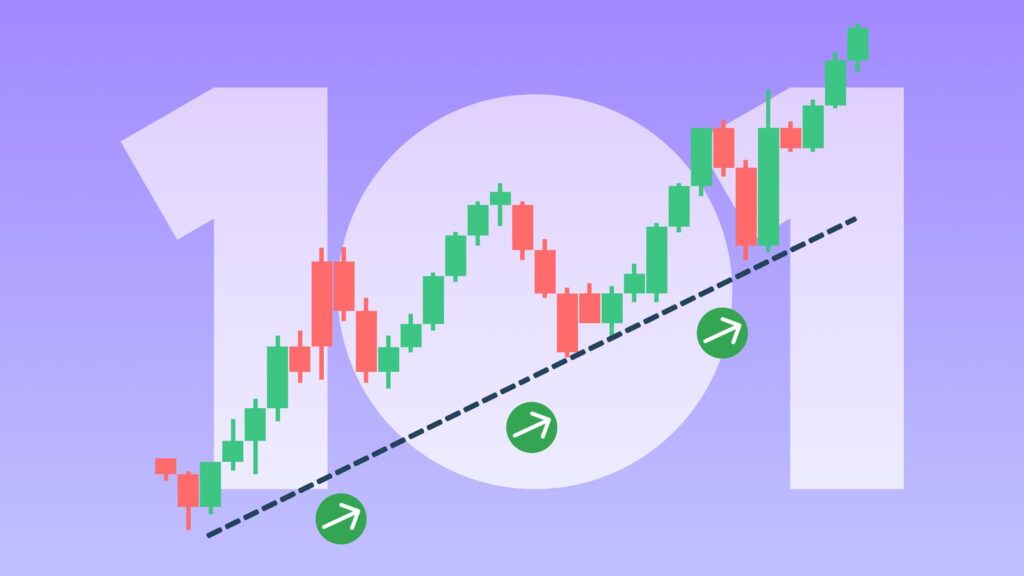
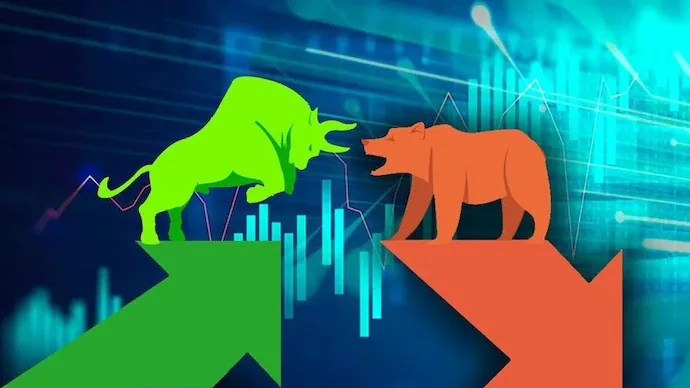
Market sentiment is the “mood” of the investment community. It is the collective tone that determines whether the market is bullish (optimistic) or bearish (pessimistic). Interestingly, prices often move based on expectations and emotions long before the actual economic data catches up.
As seen in the cycle of market emotions, trends are often pushed to extremes by two primary drivers: Fear and Greed.
- Greed: During a bull market, greed manifests as “FOMO” (Fear Of Missing Out). Investors see their neighbors making money and jump in, often near the peak, driving prices far beyond their intrinsic value.
- Fear: When the tide turns, fear quickly escalates into panic. This leads to “capitulation,” where investors sell their assets at any price just to stop the emotional pain of losing money.
2. Cognitive Biases: The “Bugs” in Our Financial Brain
Our brains evolved for survival on the savannah, not for trading index funds. This has left us with several “cognitive biases”—systematic errors in thinking that affect our investment decisions.
A. Loss Aversion
Psychologically, the pain of losing $1,000 is twice as intense as the joy of gaining $1,000. This leads to the Disposition Effect: investors tend to sell “winning” stocks too early to lock in a feeling of success, while holding onto “losing” stocks for too long, hoping they will “break even.”
B. Confirmation Bias
Investors often seek out news, YouTube creators, or social media threads that agree with their existing bullish or bearish thesis. By ignoring dissenting opinions, they create an “echo chamber” that blinds them to mounting risks.
C. Anchoring
We tend to over-rely on the first piece of information we hear. In the stock market, this “anchor” is often the price at which we bought a stock. If you bought a share at $200 and it drops to $150, you might feel it is “cheap,” even if the company’s fundamentals have fundamentally shifted for the worse.
3. Herd Mentality and Social Proof
Humans are social creatures. In the stock market, this translates to Herd Behavior. When a specific sector—such as AI or Green Energy—starts to rally, the “herd” rushes in.
“In the short run, the market is a voting machine, but in the long run, it is a weighing machine.” — Benjamin Graham
While the “voting” (popularity) creates the trend, the “weighing” (actual value) eventually forces a correction. Following the herd often leads to buying at the top of a bubble and selling at the bottom of a crash.
4. How to Use Psychology to Your Advantage
Understanding these psychological pitfalls is the first step toward becoming a more disciplined investor. Here are three strategies to mitigate emotional interference:
- Automate Your Investing: Use Dollar-Cost Averaging (DCA). By investing a fixed amount at regular intervals, you remove the “timing” element and the emotional stress of market swings.
- The “Pre-Mortem” Check: Before buying a stock, imagine it has dropped 50% in value. Write down why that might have happened. This helps counter overconfidence and confirmation bias.
- Check Your Ego, Not Just Your Ticker: Are you buying a stock because you believe in the company, or because you want to prove someone wrong? Recognizing the emotional “why” behind a trade can save you from costly “revenge trading.”
Conclusion
The stock market is a reflection of human nature—imperfect, emotional, and often irrational. While charts and balance sheets provide the “what” of market movements, psychology provides the “why.” By recognizing your own biases and understanding the collective sentiment of the crowd, you can transition from being a victim of market trends to a strategic observer of them.