In the world of finance, few concepts are as celebrated yet as frequently underestimated as compound interest. Albert Einstein famously (though perhaps apocryphally) dubbed it the “Eighth Wonder of the World,” adding that “he who understands it, earns it; he who doesn’t, pays it.” For the modern stock market investor, compounding is the engine of long-term wealth creation. It is the process where the value of an investment grows because the earnings on an investment—both capital gains and dividends—earn interest as time passes.
Unlike simple interest, which is calculated only on the principal amount, compounding calculates interest on the principal plus the accumulated interest of previous periods. Over short durations, the difference is negligible. Over decades, it is the difference between a modest nest egg and a fortune.
1. The Mathematical Foundation: How Compounding Works
To appreciate the power of compounding, one must understand the basic formula for future value:
$$FV = P(1 + r)^n$$
Where:
- $FV$ is the future value of the investment.
- $P$ is the initial principal (the amount you start with).
- $r$ is the annual interest rate (or expected stock market return).
- $n$ is the number of years the money is invested.
The exponential nature of this equation lies in the $n$ (time). While $P$ and $r$ are important, the exponent—the time the money stays in the market—is the most potent variable. This is why a small amount of money invested early in life often outperforms a much larger amount invested later.
2. The Three Pillars of the Compounding Engine
To harness the full potential of compounding in the stock market, three elements must align: Time, Consistency, and Rate of Return.
A. The Critical Role of Time
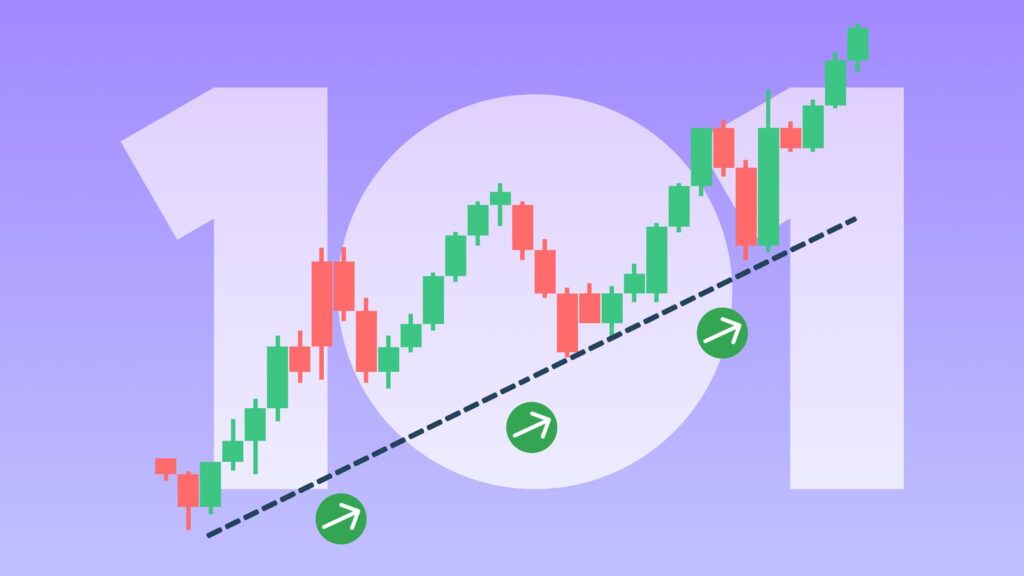
Time is the “multiplier” in the compounding equation. In the early years of an investment, the growth curve looks relatively flat. This is often where investors get discouraged and pull their money out. However, as the years progress, the curve steepens.
Consider two investors:
- Investor A starts at age 25, investing $5,000 annually for 10 years, then stops.
- Investor B starts at age 35 and invests $5,000 every single year until age 65.
Despite Investor B putting in three times more capital, Investor A will likely end up with a larger portfolio simply because their initial “seeds” had an extra decade to sprout and multiply.
B. Consistency and Dividend Reinvestment
In stock investing, compounding isn’t just about price appreciation; it’s about Dividend Reinvestment Plans (DRIPs). When a company pays a dividend, you have two choices: take the cash or buy more shares. By choosing the latter, you increase the number of shares you own, which in turn increases the next dividend payout. This creates a feedback loop of growth that functions independently of market price fluctuations.
C. The Rate of Return (The “r” Variable)
While you cannot control the market, choosing quality assets—such as diversified Index Funds or Blue-chip stocks—ensures a competitive rate of return. A 2% difference in annual returns (e.g., 7% vs. 9%) might seem small today, but over 30 years, it can result in a 40% to 50% difference in the final portfolio value.
3. Overcoming the “Silent Killers” of Compounding
Even with the best intentions, compounding can be derailed by external factors. Successful investors protect their “compounding machine” from the following:
- High Fees: Management fees and high expense ratios act like “reverse compounding.” A 1.5% annual fee can strip away hundreds of thousands of dollars over a lifetime.
- Taxes: Frequent trading triggers capital gains taxes, which pulls money out of the compounding cycle. Long-term “buy and hold” strategies allow your money to grow tax-deferred.
- Inflation: To build real wealth, your rate of return must exceed the inflation rate. This is why stocks are historically superior to savings accounts; they provide the growth necessary to maintain purchasing power.
4. The Psychological Challenge: The “Boring” Middle
The biggest hurdle to compounding isn’t math; it’s patience. We live in a world of instant gratification and 24-hour news cycles that scream for immediate action. Compounding is inherently boring for the first decade. It requires the discipline to do nothing when the market is volatile and the resilience to keep contributing when the “world is ending” in the headlines.
“The first rule of compounding is to never interrupt it unnecessarily.” — Charlie Munger
When you check your brokerage account and see it has only grown by a few thousand dollars after a year of hard saving, it’s tempting to try a “get rich quick” scheme. Resisting this urge is the hallmark of a sophisticated investor.
5. Practical Steps to Start Your Compounding Journey
If you want to leverage this power, the best time to start was yesterday. The second best time is today.
- Start Small, but Start Now: Don’t wait for a “large sum” to invest. Use fractional shares or low-cost ETFs to get your money in the game.
- Automate Your Contributions: Set up a monthly transfer to your investment account. This removes the emotional hurdle of deciding whether to invest each month.
- Reinvest Everything: Ensure your brokerage account is set to automatically reinvest dividends.
- Think in Decades, Not Days: View market downturns not as losses, but as opportunities to buy “fuel” for your compounding engine at a discount.
Conclusion: Wealth is a Function of Wait
The power of compounding in stock investments proves that wealth is not reserved solely for those with high salaries or “inside information.” It is accessible to anyone with the discipline to save and the patience to wait. By understanding the exponential nature of growth, avoiding the traps of high fees and emotional trading, and consistently reinvesting, you turn time into your greatest financial ally.
In the end, the stock market is a device for transferring money from the impatient to the patient. Let compounding do the heavy lifting, and your future self will thank you for the “magic” you started today.