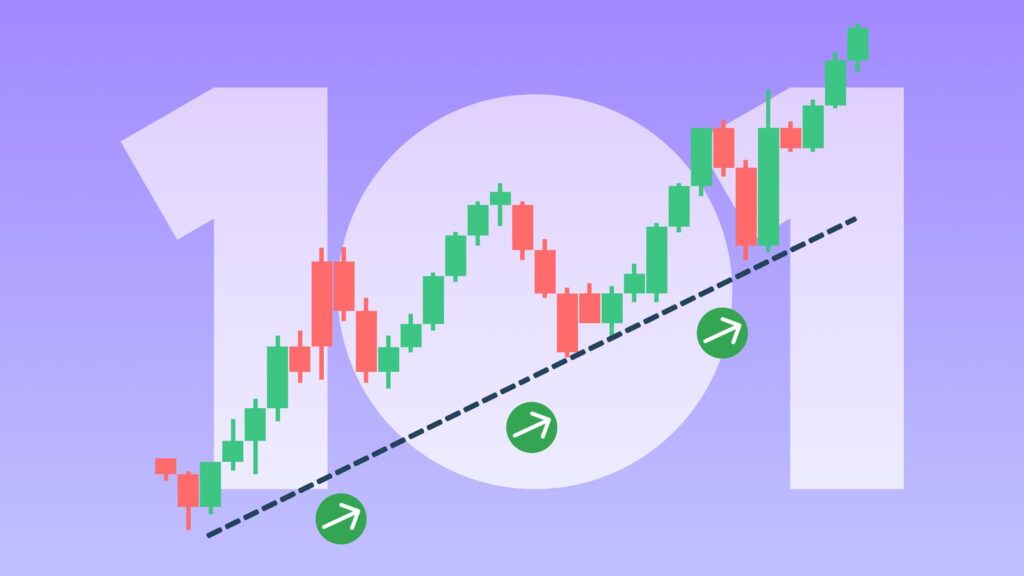
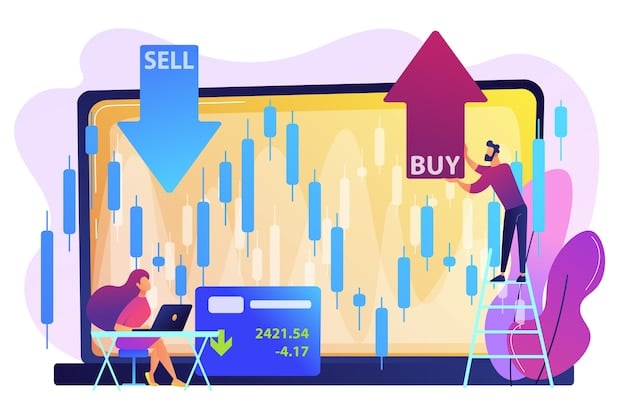
The stock market is often viewed as a complex labyrinth of numbers, flashing green and red tickers, and intimidating jargon. However, at its core, the stock market is one of the most powerful tools for building long-term wealth and participating in the growth of the global economy. For any investor—whether a beginner or someone looking to refine their strategy—understanding the fundamental mechanics of how stocks work is the first step toward financial independence.
This guide breaks down the essential components of the stock market, from the definition of a share to the strategies used to mitigate risk.
What is the Stock Market?
The stock market is a collection of exchanges where shares of publicly held companies are issued, bought, and sold. It serves two primary purposes:
- For Companies: It provides access to capital. By selling shares to the public, a company can raise money to expand operations, invest in research and development, or pay off debt without taking on bank loans.
- For Investors: It provides an opportunity to share in the profits of successful companies. When you buy a stock, you are buying a piece of that business.
Core Terminology Every Investor Needs
To navigate the market effectively, you must speak the language. Here are the foundational terms:
- Stocks/Equities: A type of security that signifies ownership in a corporation and represents a claim on part of the corporation’s assets and earnings.
- Ticker Symbol: A unique series of letters assigned to a security for trading purposes (e.g., AAPL for Apple, TSLA for Tesla).
- Market Capitalization (Market Cap): The total value of a company’s outstanding shares. It is calculated by multiplying the current share price by the total number of shares.
- Formula:$$\text{Market Cap} = \text{Share Price} \times \text{Total Shares Outstanding}$$
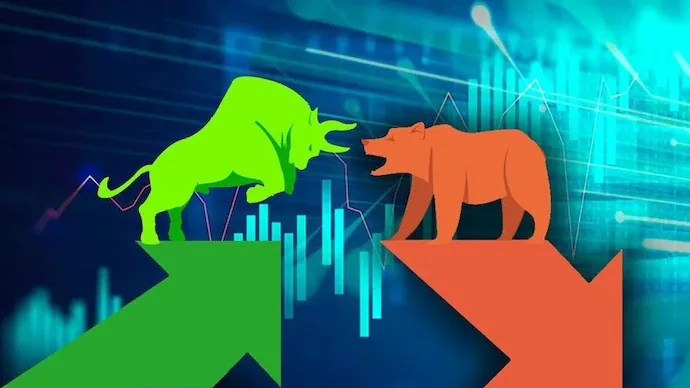
- Bull Market vs. Bear Market: A Bull Market is characterized by rising prices and investor optimism. A Bear Market occurs when prices fall by 20% or more from recent highs, usually accompanied by widespread pessimism.
- Dividends: A portion of a company’s profit paid out to shareholders, usually on a quarterly basis.
How Stock Prices Are Determined
Stock prices are not arbitrary; they are driven by the laws of supply and demand. If more people want to buy a stock (demand) than sell it (supply), the price moves up. If more people want to sell than buy, the price moves down.
However, the “why” behind supply and demand usually boils down to earnings. Investors look at a company’s current profitability and its future growth potential. If a company develops a breakthrough technology or expands into a new market, demand for its stock typically rises. Conversely, if a company faces a massive data breach or a decline in sales, supply may overwhelm demand as investors rush to sell.
The Importance of Diversification
One of the most common mistakes new investors make is “putting all their eggs in one basket.” If you invest all your capital into a single FinTech startup and that company fails, you lose everything.
Diversification is the practice of spreading investments across various assets, industries, and geographies to reduce risk. If one sector (like Tech) underperforms, another sector (like Consumer Staples or Energy) might remain stable or even grow, balancing your portfolio.
Investor Pro-Tip: Consider Exchange-Traded Funds (ETFs) or Index Funds. These allow you to buy a “basket” of hundreds of stocks in a single transaction, providing instant diversification.
Understanding Risk and Volatility
Risk is an inherent part of investing. Generally, the higher the potential return, the higher the risk.
- Volatility refers to the price fluctuations of a stock. A highly volatile stock might swing 10% in a single day, while a stable “Blue Chip” stock might only move 1%.
- Inflation Risk: The risk that the purchasing power of your money will decrease over time. Investing in the stock market is traditionally a way to outpace inflation.
Investment Strategies: Growth vs. Value
Most investors fall into one of two camps, or a hybrid of both:
- Growth Investing: Focusing on companies that are expected to grow at a rate significantly above the average for the market. these companies often reinvest their earnings into the business rather than paying dividends.
- Value Investing: The “bargain hunting” approach. Value investors look for companies that appear to be trading for less than their intrinsic worth. They often look at the P/E Ratio (Price-to-Earnings) to determine if a stock is undervalued.
The Role of Technology and Cybersecurity
In 2026, the stock market is more digital than ever. The rise of FinTech has democratized access to trading, allowing anyone with a smartphone to buy fractional shares. However, this digital evolution brings new risks.
Cybersecurity is now a fundamental factor in stock analysis. A company’s ability to protect its data and its customers’ financial information is a key indicator of its long-term viability. When evaluating a company, modern investors often look at its digital infrastructure and resilience against ransomware and other evolving digital threats.
Macroeconomics: The Big Picture
The stock market does not exist in a vacuum. It is heavily influenced by macroeconomic factors controlled by central banks:
- Interest Rates: When central banks raise interest rates, borrowing becomes more expensive for companies, which can lead to lower profits and falling stock prices.
- Monetary Policy: Decisions regarding the money supply and inflation targets can shift investor sentiment overnight.
- Fiscal Policy: Government spending and tax changes directly impact corporate bottom lines.
How to Start Investing Responsibly
If you are ready to move from observer to participant, follow these steps:
- Build an Emergency Fund: Never invest money that you might need for rent or emergencies in the next six months.
- Clear High-Interest Debt: If you have credit card debt at 20% interest, paying that off is a “guaranteed return” that is hard to beat in the market.
- Open a Brokerage Account: Choose a reputable platform with low fees and robust security features.
- Start Small and Consistent: Use Dollar-Cost Averaging. This involves investing a fixed amount of money at regular intervals (e.g., $100 every month), regardless of the share price. This lowers the risk of investing a large amount right before a market dip.
Conclusion
The stock market is a marathon, not a sprint. While it can be tempting to chase the latest “meme stock” or overnight trend, long-term success is built on a foundation of education, diversification, and emotional discipline. By understanding the basics—how companies raise capital, how prices are formed, and how to manage risk—you transform the market from a place of uncertainty into a powerful engine for your financial future.
Investing is a lifelong journey of learning. As the global economy evolves with new technologies and shifting fiscal policies, staying informed is your best defense and your greatest advantage.
Would you like me to create a similar article focusing on more advanced topics like technical analysis or sustainable “Green” investing strategies?