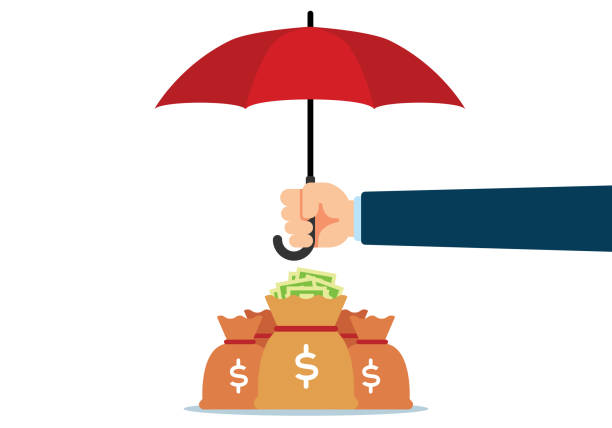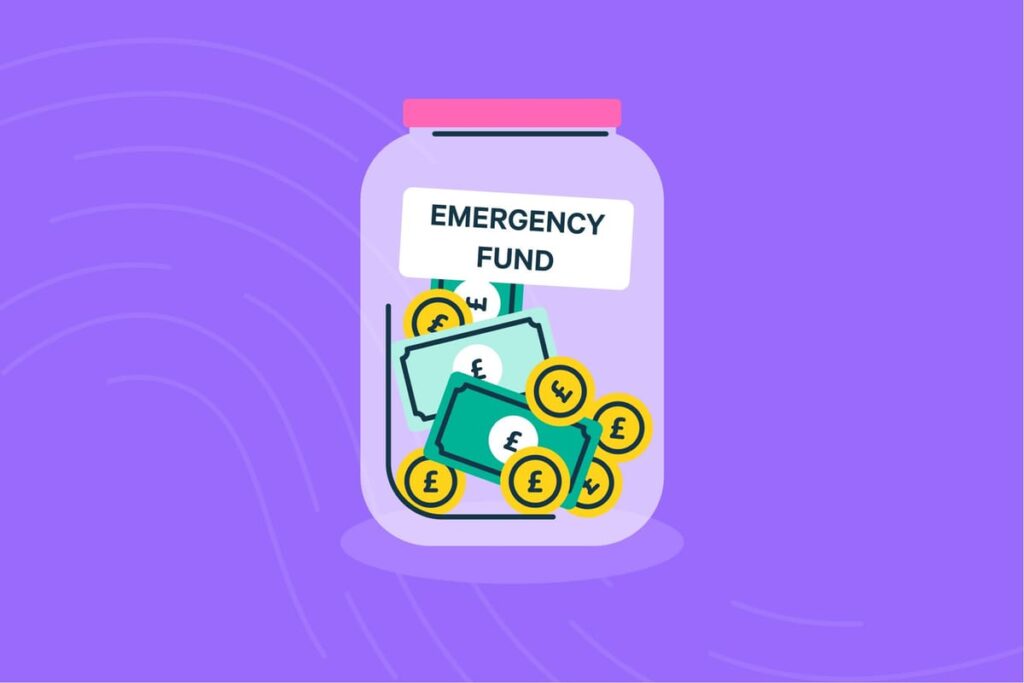

Financial independence is rarely achieved through a single bold investment or a sudden windfall. Instead, it is constructed layer by layer, starting with a foundational layer of security that protects you from life’s inevitable surprises. That cornerstone is an emergency fund.
Before you plunge into high-yield investments, real estate, or retirement portfolios, building a dedicated cash reserve is the single most critical step you can take. Without it, even the most carefully crafted financial strategy can collapse at the first unexpected bump in the road.
What Is an Emergency Fund (and What Isn’t It)?
An emergency fund is a pool of liquid cash set aside strictly to cover urgent, unforeseen, and essential expenses. Its primary role is capital preservation and liquidity, not wealth generation.
+-------------------------------------------------------+
|                WHAT AN EMERGENCY FUND IS              |
+-------------------------------------------------------+
|  ✓ Sudden job loss or income disruption                |
|  ✓ Urgent medical or dental procedures                |
|  ✓ Major home or vehicle repairs                      |
|  ✓ Critical, unplanned travel due to family distress  |
+-------------------------------------------------------+

+-------------------------------------------------------+
|              WHAT AN EMERGENCY FUND IS NOT            |
+-------------------------------------------------------+
|  ✗ Last-minute vacation deals                         |
|  ✗ Black Friday sales or tech upgrades               |
|  ✗ A down payment for a house or car                  |
|  ✗ Seed money for market investment opportunities     |
+-------------------------------------------------------+
Understanding this boundary prevents “budget leakage”—the gradual erosion of your safety net for non-critical desires disguised as urgent needs.
Why an Emergency Fund Is Your Financial Foundation
1. It Breaks the Debt Cycle
When unexpected expenses strike without cash on hand, most people default to high-interest credit cards, personal loans, or overdraft lines. A single $2,000 car repair charged to a credit card with a 22% APR can easily cost hundreds more in interest over time. An emergency fund acts as a shock absorber, insulating you from high-cost debt traps.
2. It Protects Long-Term Investments
If all your capital is tied up in stocks, real estate, or retirement accounts, a sudden financial crisis forces you to liquidate assets. If the market happens to be down, you are forced to sell at a loss—locking in permanent capital destruction. Having cash reserves allows your investment portfolio to stay untouched and compound uninterrupted over time.
3. It Provides Mental Clarity and Strategic Control
Financial anxiety is a major driver of reactive decision-making. Knowing you have three to six months of expenses sitting safely in an accessible account provides mental margin. It enables you to make deliberate, rational long-term choices—such as leaving a toxic job, negotiating better terms, or waiting for the right career move—rather than accepting poor terms out of desperation.
How Much Money Do You Actually Need?
A universal rule of thumb is to save 3 to 6 months’ worth of essential living expenses. However, the precise target depends on your personal risk profile and financial structure.
Crucial Distinction: “Expenses” do not equal “income.” Your emergency target should reflect your core survival baseline, not your full monthly salary.
| Risk Profile | Recommended Buffer | Target Audience |
| Lower Risk | 3 Months | Dual-income households, stable salaried jobs, fixed monthly overhead |
| Moderate Risk | 6 Months | Single-income families, homeowners, households with dependents |
| Higher Risk | 9 to 12 Months | Freelancers, commission-based workers, business owners, niche specialists |
Calculating Your Baseline Number
To calculate your true monthly baseline, sum only your non-negotiable costs:
- Housing (Rent/Mortgage, Utilities, HOA)
- Basic Food & Groceries
- Essential Transportation & Fuel
- Insurance Premiums (Health, Auto, Home)
- Minimum Debt Obligations
If your monthly essential outlay is $3,000, a standard 6-month safety buffer target is $18,000.
Step-by-Step Blueprint to Build Your Fund
Step 1: Establish a Mini-Buffer First
Attempting to accumulate $18,000 immediately can feel overwhelming, causing many to abandon the attempt entirely. Begin with a initial target of $1,000 to $1,500. This small buffer quickly handles smaller disruptions—like a flat tire or an appliance fix—and provides early momentum.
Step 2: Automate Your Savings
Treat your emergency reserve as an unyielding monthly bill. Set up an automatic transfer on payday that shifts a fixed percentage (e.g., 5% to 10% of net income) directly from your checking account into your dedicated fund. Automation eliminates rely on willpower or discretionary leftover funds.
Step 3: Direct Unexpected Windfalls
Accelerate growth by funneling non-standard cash inflows directly into the reserve. This includes tax refunds, performance bonuses, freelance side-gigs, or proceeds from selling unused household items.
Where Should You Keep Your Emergency Fund?
Your emergency fund needs to balance two main factors: liquidity (how fast you can access it) and safety (zero market volatility).
                      HIGH LIQUIDITY
                            ▲
                            │   High-Yield Savings Account (HYSA)
                            │   Money Market Account (MMA)
                            │
  LOW RISK ─────────────────┼───────────────── HIGH RISK
                            │
                            │   Short-Term Certificates of Deposit (CDs)
                            │
                            ▼
                       LOW LIQUIDITY
The Best Options
- High-Yield Savings Accounts (HYSAs): HYSAs offer complete liquidity, full government insurance protection (FDIC in the US, FGC in Brazil, or equivalent national protections), and yield significantly higher interest rates than traditional checking or standard savings accounts.
- Money Market Accounts (MMAs): These combine competitive yield rates with check-writing or debit privileges, offering fast access in critical moments.
Where NOT to Store Your Emergency Fund
- Stock Market / ETFs: Subject to short-term market drops right when macro emergencies hit.
- Physical Cash at Home: Highly vulnerable to theft, loss, or inflation erosion.
- Long-Term Lockup CDs: Early withdrawal penalties defeat the goal of immediate access.
Maintaining and Replenishing Your Reserve
An emergency fund is a dynamic financial tool, not a static fixture. It requires periodic maintenance:
- Annual Re-evaluation: Reassess your monthly baseline whenever major life shifts occur—getting married, having a child, buying real estate, or switching careers.
- Disciplined Replenishment: If an actual emergency forces you to draw down your funds, temporarily pause non-essential investments or discretionary spending until the reserve is fully restored to its target level.
The Path Ahead
Building an emergency fund requires short-term discipline, but the long-term payoff is immense. It converts potential life crises into manageable inconveniences, protects your financial capital, and forms the secure base from which all wealth creation grows. Once your safety cushion is securely in place, you gain the freedom to invest aggressively, build long-term assets, and move forward toward financial independence with confidence.