Imagine driving down the highway when you suddenly hear a loud thump-thump-thump. You pull over and realize you have a flat tire. A frustrating situation, surely. But is it a minor inconvenience, or is it a full-blown financial disaster that will force you to skip groceries this week?
The difference between these two realities almost always comes down to a single financial tool: an emergency fund.
In the world of personal finance, there is no shortage of advice. You are told to invest in index funds, maximize your retirement match, pay off debt, and budget every dollar. While all of that is excellent advice, none of it matters if you do not have a solid foundation.
Financial security does not start with the stock market. It starts with a simple, liquid pool of cash dedicated solely to the unexpected. Here is a deep dive into why an emergency fund is your most critical financial asset, how much you need, and exactly how to build one from scratch.
What is an Emergency Fund (and What It Isn’t)
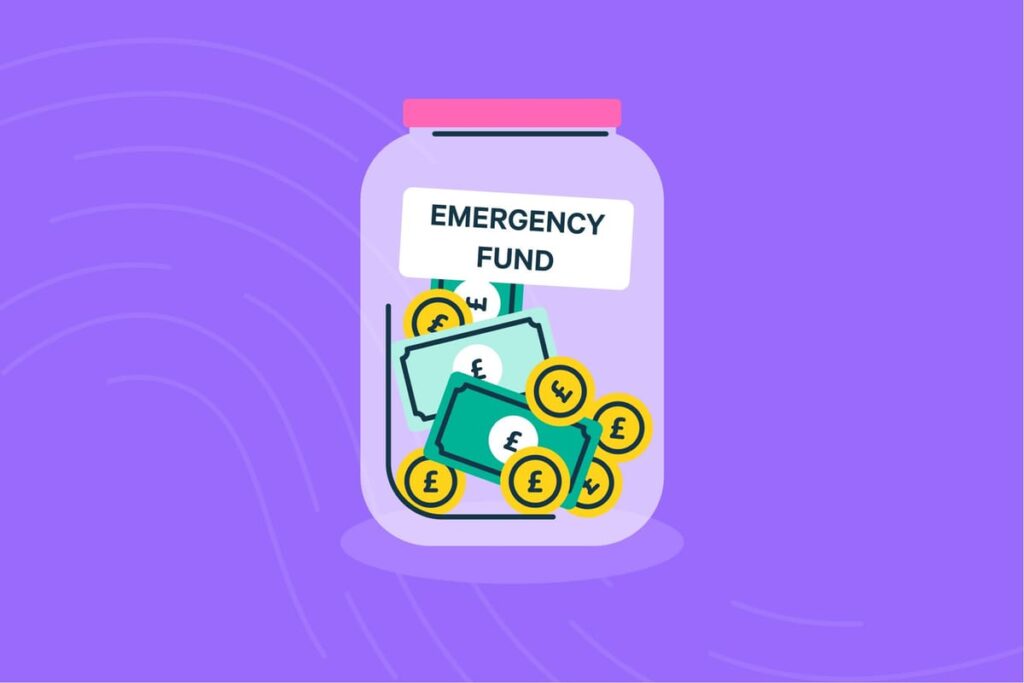
Before we build it, we need to define it. An emergency fund is a stash of money set aside to cover unexpected, urgent financial obligations.
The keywords here are unexpected and urgent.
Many people struggle to build momentum with their savings because they dip into their emergency funds for things that are actually predictable expenses. Let’s clarify the boundaries:
| True Financial Emergencies | Non-Emergencies (Plan for These!) |
| Sudden job loss or income reduction | Annual car insurance premiums |
| Emergency medical or dental procedures | Holiday shopping or birthdays |
| Critical car repairs (needed to get to work) | A last-minute weekend getaway |
| Urgent home repairs (e.g., a burst pipe) | Upgrading your perfectly fine smartphone |
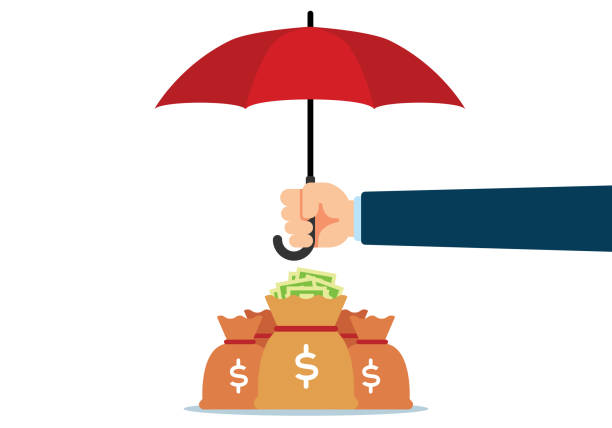
An emergency fund is not a investment vehicle, and it is not a fun-money piggy bank. It is an insurance policy against life’s chaos. Its primary goal is not to make you rich; its goal is to keep you from falling back into debt when things go wrong.
The Psychological Power of Cash
Most financial calculators focus purely on math. They will tell you that leaving thousands of dollars in a savings account is “losing money to inflation” and that you should invest it instead.
But this ignores human psychology.
When you have a fully funded emergency reserve, your relationship with stress changes.
- Reduced Anxiety: You no longer panic when the check-engine light comes on.
- Better Career Choices: You have the “breathing room” to walk away from a toxic work environment or take your time finding a high-quality job after a layoff, rather than accepting the first offer out of desperation.
- Protection for Your Investments: If the stock market crashes and you lose your job simultaneously, you won’t be forced to sell your investments at a loss just to pay rent. Your emergency fund acts as a buffer, letting your long-term investments stay untouched.
How Much Money Do You Actually Need?
The standard rule of thumb is to save 3 to 6 months of living expenses. However, “living expenses” do not mean your current monthly income. It means your baseline survival budget—the absolute bare minimum you need to pay for rent/mortgage, utilities, food, insurance, and minimum debt payments.
To determine where you fall on the 3-to-6-month spectrum, consider your unique life situation:
The 3-Month Target is likely enough if:
- You have a highly stable, in-demand job (e.g., tenured teacher, nurse).
- You are a dual-income household where both partners earn a steady salary.
- You have no dependents (children or elderly relatives).
- You have minimal fixed debts.
The 6-Month (or More) Target is safer if:
- You are a freelancer, gig worker, or business owner with fluctuating monthly income.
- You are a single-income household.
- You have dependents who rely on you entirely.
- You suffer from chronic health conditions that could lead to medical leave.
Step-by-Step: How to Build Your Fund
If the thought of saving 6 months of expenses feels incredibly overwhelming, take a deep breath. You do not have to do it overnight. The key is to start small and build momentum.
Step 1: Start with a “Starter” Goal
Before you try to save $15,000, aim for $1,000. Statistically, a $1,000 buffer is enough to cover the vast majority of common household emergencies, like a broken refrigerator or a minor car repair. Getting to this first milestone will give you a massive psychological boost.
Step 2: Choose the Right “Parking Spot”
Do not keep your emergency fund in your everyday checking account. If it is too easy to access, you will spend it.
Instead, open a separate High-Yield Savings Account (HYSA). HYSAs are online-only savings accounts that typically pay significantly higher interest rates than traditional brick-and-mortar banks. This ensures your money keeps some pace with inflation while remaining 100% liquid and safe (look for FDIC-insured banks in the US or equivalent protections in your country).
Step 3: Automate Your Savings
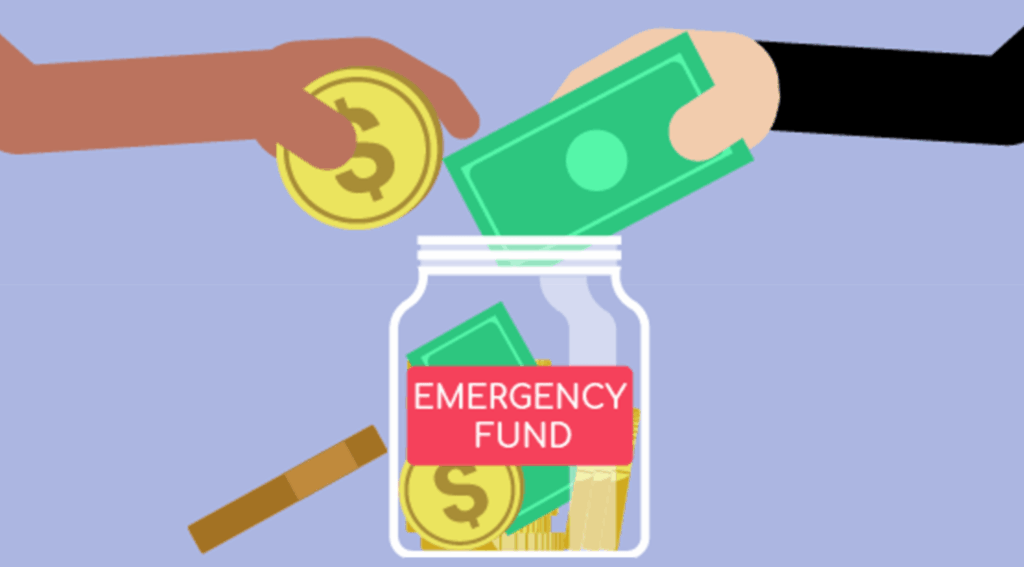
The easiest way to save money is to make the decision once and then forget about it. Set up an automatic transfer on every payday. Even if it is just $25 or $50 a week, automating the process ensures you pay yourself first before you have a chance to spend those funds on discretionary items.
Step 4: Audit and Redirect
Look closely at your monthly spending. Are there subscription services you haven’t used in months? Can you temporarily cut back on dining out or gourmet coffee for just 90 days? Redirecting these small, leaky expenses into your new HYSA can accelerate your savings rate dramatically.
Where Not to Keep Your Emergency Fund
When building this safety net, safety and accessibility (liquidity) are far more important than high returns. Avoid the temptation to store your emergency funds in:
- The Stock Market: A sudden market downturn could slash your fund in half exactly when you need it most (e.g., during an economic recession when layoffs are common).
- Cryptocurrency: Extremely volatile assets do not mix with emergency planning.
- Physical Cash at Home: While keeping a tiny bit of cash ($100–$200) at home for power outages is smart, keeping thousands under your mattress risks loss to theft, fire, or simple temptation.
- Long-Term CDs (Certificates of Deposit): While CDs offer decent interest rates, they often lock up your money for months or years. If you must withdraw early, you will face steep penalties.
Final Thoughts: The Price of Peace
An emergency fund is not about hoarding cash or obsessing over every penny. It is about buying yourself freedom, time, and peace of mind.
When you have a solid buffer standing between you and the unpredictable realities of life, you stop living paycheck to paycheck. You stop fearing the unexpected and start looking forward to the future with confidence.
Take the first step today. Open that high-yield savings account, set up a small $10 automatic weekly transfer, and start building the foundation of your lifelong financial security. Your future self will thank you.