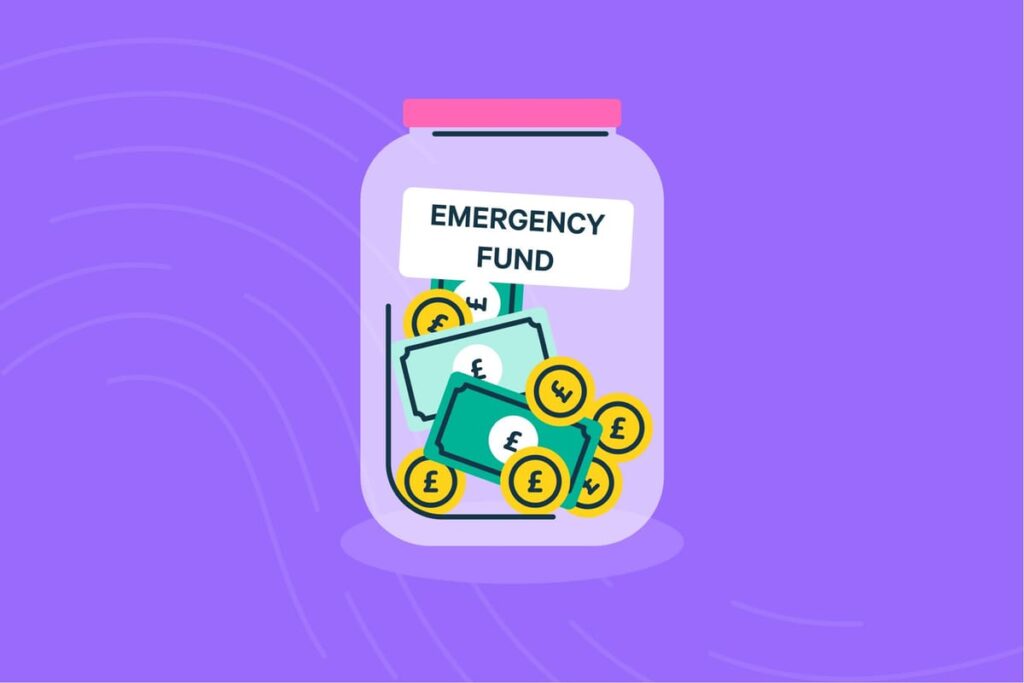

We have all heard the golden rule of personal finance: you need an emergency fund. Life is unpredictable, and whether it is a sudden job loss, a medical crisis, or an urgent car repair, having a financial cushion can mean the difference between a minor setback and total financial ruin.
However, simply having a savings account labeled “Emergency” isn’t always enough. Many well-intentioned savers make critical mistakes when building and managing their safety nets. These blunders can leave them vulnerable when a real crisis hits or cause them to miss out on valuable financial growth.
To ensure your hard-earned money actually protects you when you need it most, here are the most common emergency fund mistakes you should avoid.
1. Underestimating the Required Amount
One of the most frequent errors is not saving enough. A popular rule of thumb is to save three months’ worth of expenses. While this might suffice for a dual-income household with stable corporate jobs, it is often dangerously inadequate for others.
How to calculate your true need:
- 3 Months: Ideal for single individuals with high job security or dual-income households where both partners earn equally.
- 6 Months: The standard recommendation for most households to cover extended periods of unemployment or illness.
- 9 to 12 Months: Essential for freelancers, business owners, commission-based workers, or anyone in a highly volatile industry.
Note: Remember to calculate your essential living expenses (rent, groceries, insurance, debt payments), not your current take-home pay.
2. Confusing an “Emergency” with a “Wishlist”
What constitutes a financial emergency? Hint: A flash sale on flight tickets to Europe or a premium upgrade to the latest smartphone does not count.
When you blur the line between wants and absolute needs, you deplete your safety net for non-essential items. When a real emergency occurs later, you are forced to rely on high-interest credit cards.
The Emergency Checklist
Before touching your fund, ask yourself these three questions:
- Is it unexpected? (A routine annual car inspection is not unexpected; a blown transmission is).
- Is it absolutely necessary? (Fixing a leaking roof is necessary; remodeling the kitchen is not).
- Is it urgent? (Does it need to be paid for right now to avoid further damage or financial penalties?)
3. Keeping the Money in the Wrong Place
Where you store your emergency fund matters just as much as how much you save. Savers usually fall into two extreme traps here:
Trap A: Leaving it in a Standard Checking Account
If your emergency cash sits right next to your daily spending money, you will spend it. The temptation is too high, and the psychological barrier to access it is too low. Furthermore, traditional checking accounts offer virtually zero interest, meaning your money actively loses value to inflation.
Trap B: Investing it in the Stock Market or Crypto
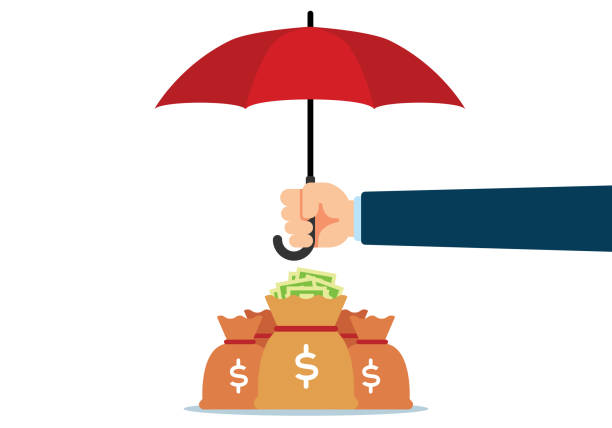
An emergency fund is insurance, not an investment. If you put your safety net into stocks, mutual funds, or cryptocurrency, you risk being forced to liquidate your assets during a market downturn. If the economy crashes and you lose your job simultaneously, your emergency fund might be worth 40% less precisely when you need it.
The Solution: Keep your funds in a High-Yield Savings Account (HYSA) or a money market account. This keeps the money separate from daily impulse spending, ensures it remains 100% liquid, and allows it to earn a decent interest rate to combat inflation.
4. Forgetting to Adjust for Lifestyle Creep and Inflation
An emergency fund is not a “set-it-and-forget-it” financial tool. As your life evolves, your financial safety net must evolve with it.
If you calculated your emergency fund five years ago when you were renting a studio apartment, that amount will not protect you today if you now have a mortgage, a car payment, and a child. Additionally, macroeconomic factors like inflation mean that the absolute cost of basic necessities increases over time.
When to review your fund:
- After a major life event (marriage, divorce, having a child).
- After buying a home or a new vehicle.
- During your annual financial review to adjust for inflation.
5. Investing Everything Before Building the Cushion
In the world of personal finance, there is a lot of excitement around investing, compound interest, and building wealth. It is easy to look at a pile of cash sitting in a savings account and think, “I could be making much higher returns if I put this in the stock market.”
While aggressive investing is great for long-term wealth, doing it without a liquid foundation is highly risky. If you pour every extra dollar into retirement accounts or brokerage portfolios before building your 3-to-6-month cushion, you are building a house on sand. One bad month can force you to halt your investments, pull money out prematurely, and pay heavy taxes or penalties.
6. Not Replenishing the Fund Immediately
Crises happen. You will eventually have to dip into your emergency fund—that is exactly what it is there for.
However, the mistake lies in failing to prioritize its replenishment once the storm has passed. Many people experience an emergency, pay it off using their fund, and then return to their normal lifestyle spending patterns without refilling the bucket.
If a second emergency happens shortly after the first, you will find yourself financially exposed.
The Strategy:
As soon as you use a portion of your emergency fund, treat “Refilling the Fund” as your number one financial priority. Pause luxury spending, cancel unnecessary subscriptions temporarily, and redirect those funds back into your HYSA until you hit your baseline target again.
Summary of Mistakes vs. Best Practices
| Mistake | Best Practice |
| Saving an arbitrary, low amount | Base the amount on 3-12 months of essential expenses |
| Using the fund for lifestyle desires | Use strictly for urgent, unexpected, and necessary events |
| Investing the money in volatile assets | Keep it safe and liquid in a High-Yield Savings Account (HYSA) |
| Leaving the fund static for years | Update it annually to match inflation and lifestyle changes |
| Ignoring replenishment | Rebuild the fund immediately after utilizing any portion of it |
Final Thoughts: Peace of Mind is Priceless
Building an emergency fund requires discipline, patience, and a shift in mindset. It is easy to view hidden cash as “wasted potential” because it isn’t generating massive returns. But the true return on investment of an emergency fund is not measured in percentages—it is measured in peace of mind.
By avoiding these common pitfalls, choosing the right financial vehicles, and treating your safety net with the respect it deserves, you can navigate life’s inevitable curveballs with confidence and financial stability.