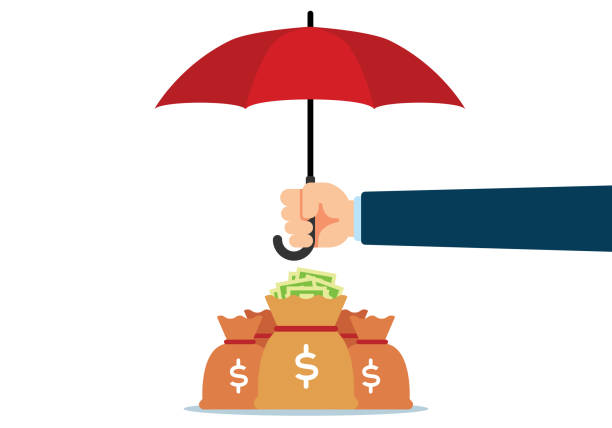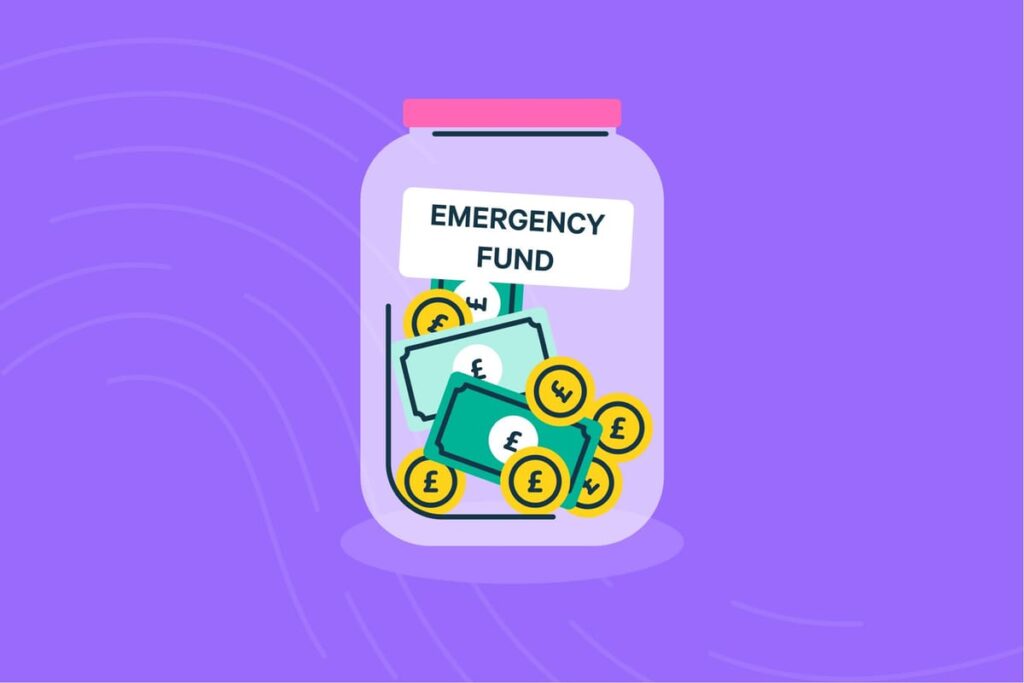

Life is full of unexpected twists. Whether it is a sudden medical expense, an urgent car repair, or a temporary job loss, financial surprises are a matter of “when,” not “if.” This is where an emergency fund comes into play. It acts as a financial shock absorber, keeping you afloat without forcing you into high-interest debt.
However, if you are living paycheck to paycheck, the advice to “save three to six months of living expenses” can feel incredibly discouraging, if not entirely impossible. But here is the good news: building a safety net is not an all-or-nothing game. Every dollar you save is a barrier between you and financial stress.
Here is a step-by-step, realistic blueprint to building an emergency fund, even when your budget feels razor-thin.
1. Redefining the Goal: Start Small
The biggest mistake people make is getting intimidated by the final target. If your monthly expenses are $3,000, a full six-month fund requires $18,000. That number can freeze you into inaction.
Instead of focusing on the mountain, focus on the first step:
- The Micro-Goal: Aim for $500 to $1,000.
- The Impact: This initial milestone is enough to cover the most common minor emergencies, like a broken appliance, a dental co-pay, or a minor car fix.
By breaking the goal down, you shift your mindset from overwhelm to achievement. Once you hit that first milestone, the momentum will make it easier to keep going.
2. Audit Your Cash Flow (Without Judgement)
You cannot find extra money to save until you know exactly where your money is going. For the next 30 days, track every single penny. Use an app, a spreadsheet, or a simple notebook.
Once you have the data, categorize your spending into two buckets:
- Fixed Expenses (Needs): Rent/mortgage, utilities, insurance, and minimum debt payments.
- Variable Expenses (Wants): Dining out, streaming services, clothing, and hobbies.
Look closely at the variable expenses. The goal isn’t to strip all joy from your life, but rather to identify “money leaks”—small, recurring expenses that add up significantly over a month.
3. Micro-Trimming: The Art of Small Sacrifices
When savings are tight, major lifestyle changes are rarely sustainable. Instead, look for micro-trims across various categories.
| Category | Typical Habit | Money-Saving Alternative |
| Subscriptions | Paying for 3+ streaming platforms | Rotate them; keep only one active at a time. |
| Groceries | Buying premium brands, impulse shopping | Shop with a strict list; opt for store brands. |
| Utilities | Leaving electronics plugged in, high AC/heating | Use smart power strips; adjust the thermostat by 2 degrees. |
| Dining Out | Ordering delivery out of convenience | Meal prep simple lunches for the workweek. |
If you can find just $15 a week through these small adjustments, you will have over $750 saved by the end of the year.
4. Automate and Hide Your Savings
If you wait until the end of the month to save “whatever is left over,” you will likely find that nothing is left. Human psychology dictates that we tend to spend what is available to us.
To bypass this, automate the process:
- Set up an automatic transfer of a manageable amount (even just $5 or $10) from your checking account to your savings account the day after you get paid.
- Alternatively, ask your employer to split your direct deposit, sending a small percentage directly into a separate account.
Crucial Tip: Keep your emergency fund in a completely separate bank from your everyday checking account. If it takes 24 to 48 hours to transfer the money back to your checking, you are far less likely to spend it on non-emergencies.
5. Harness the Power of the High-Yield Savings Account (HYSA)
Leaving your emergency fund in a traditional brick-and-mortar bank account means your money is actively losing value to inflation. Traditional savings accounts often offer abysmal interest rates (sometimes as low as 0.01%).
Instead, look for a High-Yield Savings Account (HYSA), typically offered by online banks.
- Safety: Ensure the institution is FDIC-insured (or equivalent in your region), meaning your money is protected up to $250,000.
- Growth: HYSAs offer significantly higher interest rates, allowing your money to grow passively through compound interest while remaining entirely liquid and accessible.
6. Capitalize on “Found Money”
Building a safety net strictly out of your weekly paycheck can take time. You can accelerate the process by routing any unexpected financial windfalls directly into your emergency fund.
Examples of found money include:
- Tax refunds
- Work bonuses or cash awards
- Birthday or holiday cash gifts
- Cash-back rewards from credit cards (provided you pay them off in full monthly)
Because this money wasn’t part of your regular monthly budget, saving 100% of it won’t impact your day-to-day standard of living.
7. Temporary Income Boosts
If your budget is truly optimized and there is absolutely nothing left to trim, the only remaining variable is your income. Thanks to the modern digital landscape, generating extra income temporarily has never been easier.
Consider dedicating a few hours a week to:
- Decluttering: Sell unused clothes, electronics, or furniture on local digital marketplaces.
- Freelancing: Leverage skills like writing, graphic design, proofreading, or data entry on freelance platforms.
- Gig Economy: Look into food delivery, ride-sharing, or pet-sitting services during your free hours.
Remember, this hustle does not have to be permanent. View it as a short-term project with a specific end date: once the emergency fund hits its target, you can scale back.
8. Defining an Actual Emergency
An emergency fund is only useful if it is preserved for true emergencies. It is vital to establish strict rules for what constitutes a financial crisis.
Before touching the fund, ask yourself these three questions:
- Is it unexpected? (A routine car oil change is not an emergency; a blown transmission is.)
- Is it absolutely necessary? (A flight to a friend’s weekend party is not necessary; traveling for an urgent family matter is.)
- Is it urgent? (Does it need to be paid right now to avoid severe consequences, such as eviction or a utility shutoff?)
If the expense doesn’t check all three boxes, look for other ways to fund it.
Conclusion: Consistency Beats Quantity
Building an emergency fund on a tight budget requires patience, discipline, and a shift in perspective. Do not get discouraged by the small size of your initial contributions. In personal finance, the habit of saving consistently is far more valuable than the initial amount you save.
By starting small, automating your efforts, and protecting your funds, you will gradually build a financial cushion that provides something far more valuable than cash: peace of mind.
This article provides general financial education and tips. For specific advice tailored to your personal financial situation, consider consulting with a certified financial professional.