The digital era has democratized the stock market, allowing anyone with a smartphone to participate in global finance. However, this accessibility often blurs the line between two fundamentally different approaches to wealth creation: Day Trading and Long-Term Investing.
Choosing between these paths is not merely a financial decision; it is a lifestyle choice that dictates how you spend your time, manage stress, and perceive risk. This article breaks down the mechanics, psychology, and fiscal realities of both strategies to help you navigate the complexities of the modern market.
1. Defining the Core Philosophies
What is Day Trading?
Day trading is a high-velocity strategy where an individual buys and sells financial instruments—such as stocks, currencies (Forex), or ETFs—within the same trading day. The primary goal is to capitalize on small, intraday price fluctuations. Day traders rarely hold positions overnight to avoid “gap risk,” where a market opens significantly higher or lower than its previous close due to news events.
What is Long-Term Investing?
Long-term investing, often referred to as “Buy and Hold,” involves purchasing assets with the intention of holding them for years or even decades. Investors focus on the underlying value of a company or the broader growth of the economy, rather than daily market “noise.” This strategy leverages the power of compound interest and the historical upward trajectory of major indices.
2. Methodology and Technical Analysis
The tools used by these two groups are often poles apart.
The Trader’s Toolkit: Technical Analysis
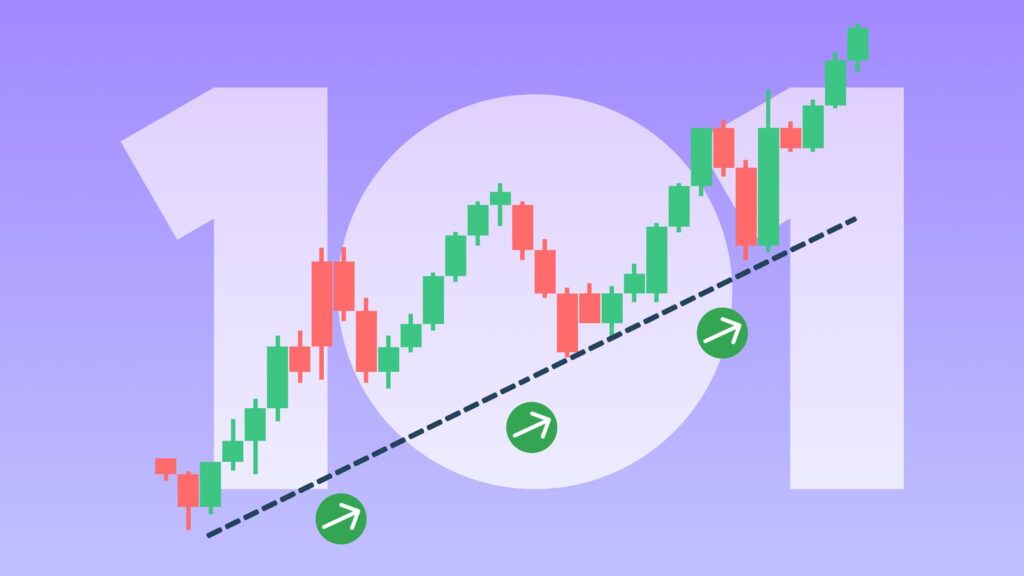
Day traders rely heavily on Technical Analysis. They study price charts, volume, and momentum indicators to predict short-term movements. Common tools include:
- Moving Averages: Identifying trends by smoothing out price data.
- Relative Strength Index (RSI): Determining if an asset is overbought or oversold.
- Candlestick Patterns: Visualizing market sentiment and potential reversals.
The Investor’s Toolkit: Fundamental Analysis
Long-term investors prioritize Fundamental Analysis. They look at the “health” of a business rather than its stock price movement. Key metrics include:
- Price-to-Earnings (P/E) Ratio: Assessing if a stock is overvalued or undervalued.
- Dividend Yield: Evaluating the passive income potential.
- Balance Sheets: Analyzing debt levels and cash flow to ensure long-term solvency.
3. Risk Management and Volatility
Both strategies involve risk, but the nature of that risk differs.
The Intensity of the Intraday
Day trading is inherently risky due to market volatility. High-frequency trading algorithms and sudden news breaks can cause prices to swing violently in minutes. To survive, traders must use Stop-Loss orders—automated instructions to sell an asset if it hits a certain price—to prevent catastrophic losses.
The Patience of the Decade
For the long-term investor, the primary risk is “Opportunity Cost” or a prolonged economic downturn. While their portfolio might drop by 20% during a recession, history shows that markets have eventually recovered and reached new highs. The risk here is emotional: the temptation to sell during a crash instead of staying the course.
4. Time Commitment and Psychological Impact
Trading as a Full-Time Job
Make no mistake: successful day trading is a job. It requires hours of preparation before the market opens and constant monitoring of screens during trading hours. The psychological toll is significant; the adrenaline of a win and the frustration of a loss can lead to “revenge trading,” where a trader takes unnecessary risks to recoup losses.
Investing as a Passive Endeavor
Long-term investing is generally more “passive.” Once a diversified portfolio—often consisting of low-cost Index Funds or ETFs—is established, it requires minimal maintenance. This “set it and forget it” approach reduces the emotional burden and allows individuals to focus on their primary careers or personal lives.
5. Tax Implications and Transaction Costs
Financial efficiency is a critical component of wealth building.
- Short-Term Capital Gains: In many jurisdictions, assets held for less than a year (typical for day trading) are taxed at a higher rate, often equivalent to your standard income tax bracket.
- Long-Term Capital Gains: Assets held for over a year usually benefit from lower tax rates, incentivizing long-term stability.
- Fees: Frequent trading incurs more transaction costs and “slippage” (the difference between the expected price and the actual execution price). These small costs can eat significantly into a day trader’s profit margins over time.
6. The “Success Rate” Reality Check
Data from various brokerage studies suggests that a vast majority of retail day traders—some estimates say over 90%—lose money over the long term. Professional trading desks have the advantage of high-speed fiber optics, sophisticated AI, and massive capital.
In contrast, the S&P 500 has historically provided an average annual return of approximately 10% before inflation. For the average person, the mathematical probability of building wealth is significantly higher through disciplined, long-term contributions to diversified funds.
7. Comparative Summary
| Feature | Day Trading | Long-Term Investing |
| Time Horizon | Minutes to Hours | Years to Decades |
| Primary Goal | Short-term profit from volatility | Long-term wealth and compounding |
| Analysis Type | Technical (Charts/Trends) | Fundamental (Health/Value) |
| Stress Level | High | Low to Moderate |
| Tax Efficiency | Generally Low | Generally High |
Conclusion: Which Path Should You Take?
The choice between day trading and long-term investing depends on your goals, capital, and temperament.
If you have a high tolerance for risk, a deep interest in technical analysis, and the time to treat the market as a full-time profession, day trading offers a challenging but potentially rewarding path. However, for most people looking to secure their financial future, save for retirement, or grow their savings with minimal stress, long-term investing remains the most proven and effective strategy.
Ultimately, many successful market participants use a “core-satellite” approach: keeping the majority of their capital in safe, long-term investments while allocating a very small percentage to active trading to satisfy their interest in the market.
Regardless of the path you choose, the most important rule of finance remains the same: Never invest money you cannot afford to lose.
Would you like me to generate a specific list of the best low-cost ETFs for a long-term portfolio?