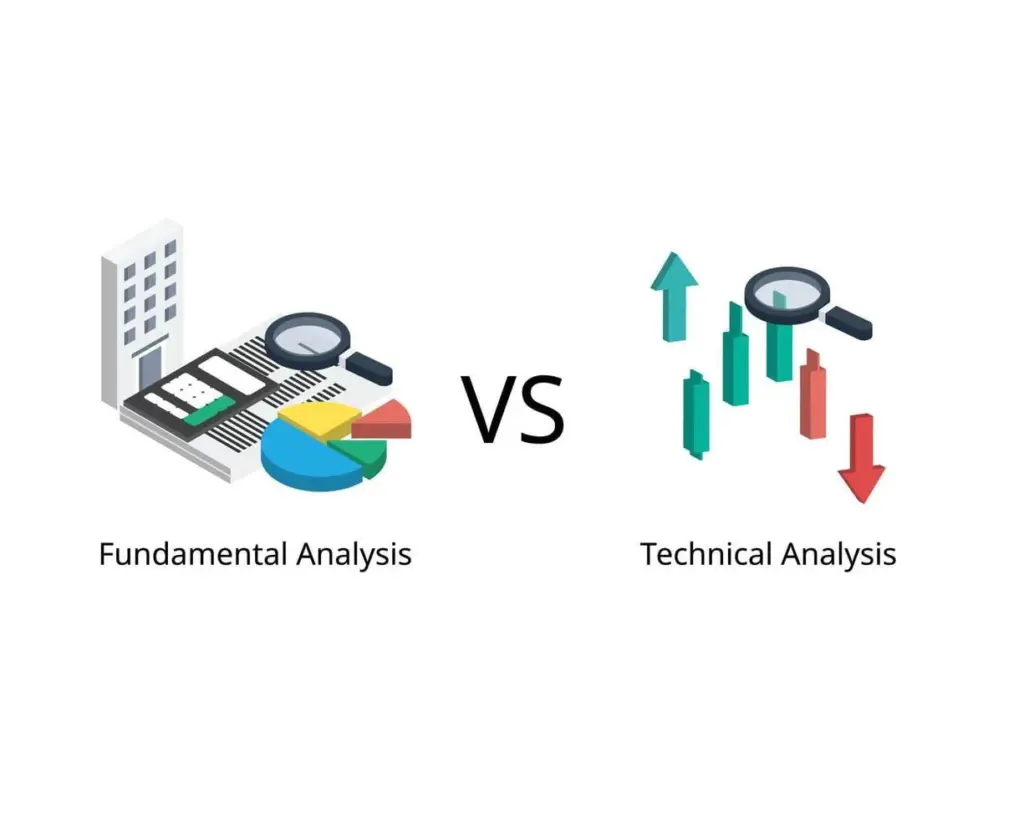
In the world of investing, choosing a strategy can often feel like choosing a philosophy. Whether you are trading stocks, forex, or cryptocurrencies, you will inevitably encounter the two titans of market evaluation: Fundamental Analysis (FA) and Technical Analysis (TA).
While some traders swear by the cold logic of financial statements, others find their truth in the rhythmic pulse of price charts. Understanding the nuances of both is not just an academic exercise; it is a prerequisite for long-term success in the volatile financial landscape of 2026.
1. Understanding Fundamental Analysis: The “What” and “Why”
Fundamental analysis is the method of evaluating a security by attempting to measure its intrinsic value. Analysts look at everything from the overall economy and industry conditions to the financial condition and management of companies.
The Core Pillars of Fundamental Analysis
To determine if a stock is undervalued or overvalued, fundamentalists dive into:
- Earnings and Revenue: Is the company actually making money? Growth trends in net income are the bedrock of value.
- Financial Ratios: Metrics like the Price-to-Earnings (P/E) ratio, Debt-to-Equity, and Return on Equity (ROE) help compare companies within the same sector.
- Macroeconomic Factors: Interest rates, inflation, and GDP growth. For instance, a rising interest rate environment typically hurts growth stocks but can benefit banks.
- Qualitative Factors: This includes brand recognition, patents, proprietary technology, and the quality of the executive leadership.
The Goal: To find “mispriced” assets. If the intrinsic value is higher than the current market price, the fundamental analyst sees a “Buy” opportunity.
2. Decoding Technical Analysis: The “When” and “How”
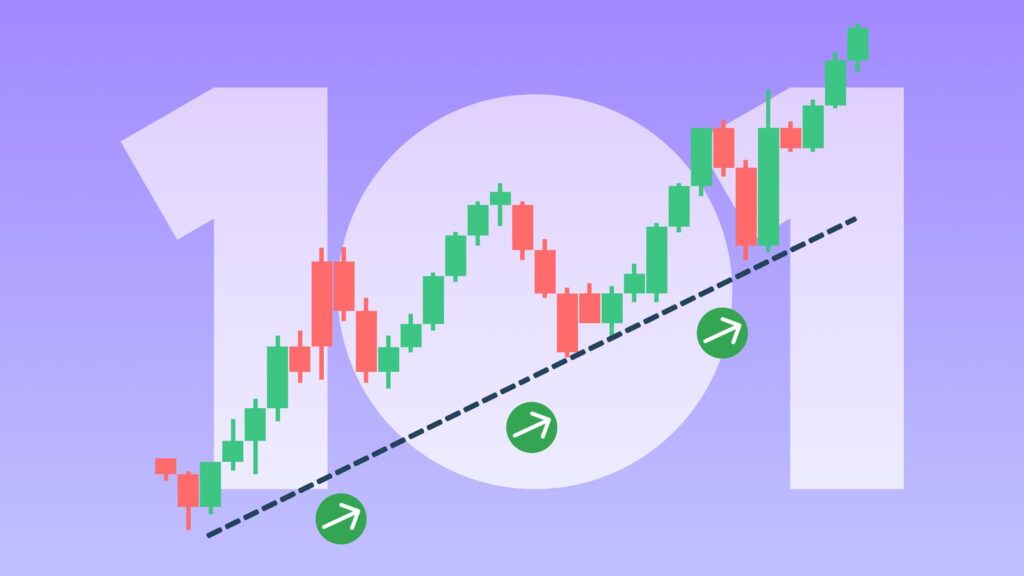
Technical analysis takes a different departure point. It ignores the “value” of a company and focuses exclusively on statistical trends gathered from trading activity, such as price movement and volume.
The Three Assumptions of Technical Analysis
- The Market Discounts Everything: All known information—earnings, news, and psychology—is already reflected in the stock price.
- Price Moves in Trends: Prices are more likely to continue a past trend than to move erratically.
- History Tends to Repeat Itself: Human psychology is consistent, leading to recognizable chart patterns (like Head and Shoulders or Double Bottoms).
Common Technical Tools
- Chart Patterns: Identifying support and resistance levels.
- Moving Averages: Smoothing out price data to identify the trend direction (e.g., the 50-day and 200-day moving averages).
- Indicators: Tools like the Relative Strength Index (RSI) to identify overbought or oversold conditions, and the MACD for momentum.
3. Key Differences: A Side-by-Side Comparison
| Feature | Fundamental Analysis | Technical Analysis |
| Data Source | Financial statements, economic reports | Stock charts, price, and volume |
| Time Horizon | Long-term (years) | Short to medium-term (days/weeks) |
| Goal | Determine intrinsic value | Identify entry/exit points |
| Focus | The “Why” behind price moves | The “What” of price movement |
4. The Time Horizon Factor
One of the most significant divides between these two schools is the timeframe.
Fundamental Analysis is built for the marathon. It assumes that while the market may be “wrong” in the short term, price will eventually catch up to value. This makes it the preferred tool for value investors like Warren Buffett.
Technical Analysis is built for the sprint or the middle-distance run. Traders use it to capitalize on market volatility and “swing” trades. Because technical triggers can happen in minutes, it is the essential toolkit for day traders.
5. The Criticisms: Where Each Method Falters
No system is perfect. To be a balanced investor, you must recognize the blind spots.
- Critique of Fundamental Analysis: It can take years for the market to recognize “intrinsic value.” An investor can be “right” about a company’s strength but still lose money if the market remains irrational longer than they can stay solvent.
- Critique of Technical Analysis: Critics often label it a “self-fulfilling prophecy.” If enough people see a “head and shoulders” pattern and sell, the price drops—not because the pattern had predictive power, but because the traders acted on it. Furthermore, a sudden news event (a “Black Swan”) can render all chart patterns useless instantly.
6. The Modern Approach: “Fusion” Analysis
In the modern era, the most successful participants don’t choose sides; they use Fusion Analysis. This hybrid approach uses fundamental analysis to decide what to buy and technical analysis to decide when to buy it.
Example of a Fusion Strategy:
- Step 1 (Fundamental): Screen for companies with high revenue growth, low debt, and a competitive “moat.”
- Step 2 (Technical): Look at the charts of those specific companies. Wait for the price to pull back to a major support level or a “Golden Cross” (when the 50-day MA crosses above the 200-day MA).
- Step 3 (Execution): Enter the trade with the confidence of both value and momentum behind you.
7. Conclusion: Which One is Right for You?
Choosing between fundamental and technical analysis depends largely on your personality and goals. If you enjoy reading annual reports and have the patience to wait years for a thesis to play out, lean toward Fundamental Analysis. If you enjoy pattern recognition, quick decision-making, and studying market psychology, Technical Analysis may be your calling.
However, the most resilient portfolios are often those that respect both the “value” of the asset and the “behavior” of the crowd. In 2026, with AI-driven trading and instant information flow, being a one-dimensional investor is a risk few can afford.
Would you like me to create a specific checklist for performing a fundamental health check on a stock, or perhaps explain a specific technical indicator in more detail?